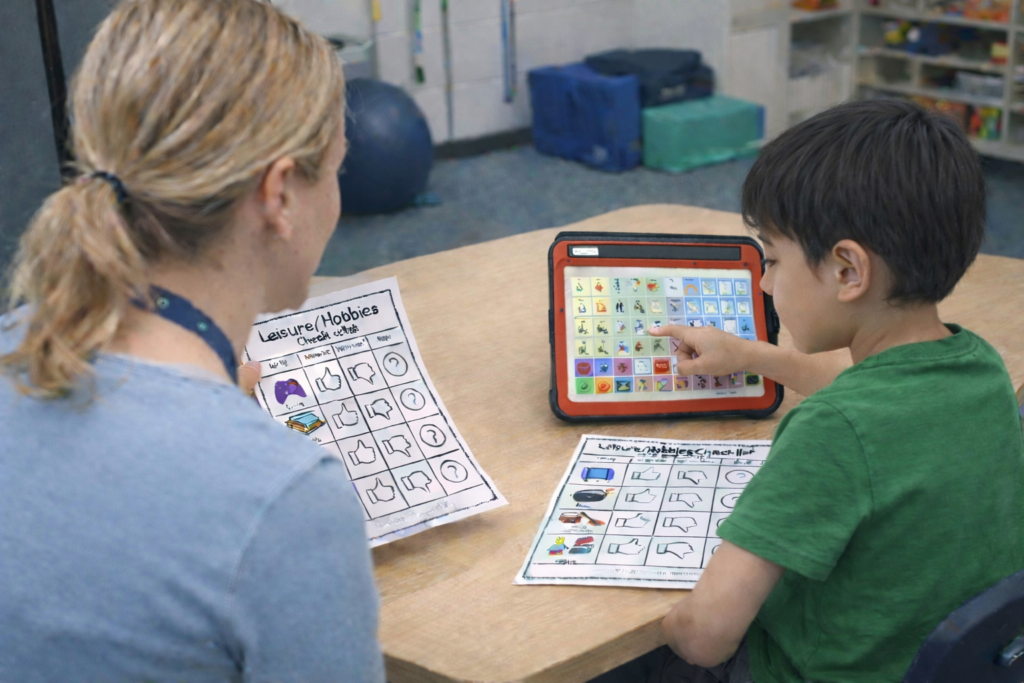
Occupational therapy supports more than academic skills. For neurodivergent students, including students with autism, identifying hobbies and leisure interests is an important part of communication, self-regulation, autonomy, and participation—making January’s National Hobby Month a meaningful time for reflection.
January Is National Hobby Month—Why Hobbies Matter in Occupational Therapy
Did you know January is National Hobby Month? It’s one of those quieter observances, but in occupational therapy, it carries real weight—especially for neurodivergent students and students with autism.
Hobbies aren’t just something to fill time. From an occupational therapy perspective, they support functional life skills, self-regulation, communication, autonomy, social participation, and long-term independence. For many students receiving occupational therapy services, leisure skills are part of meaningful participation in everyday life.
Identifying Interests Is a Core Occupational Therapy Skill
One of the roles I value most in school-based occupational therapy is helping students identify what they genuinely enjoy—and then supporting them in communicating those interests.
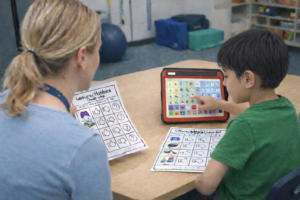
For autistic students, neurodivergent learners, and students who use AAC, this process often needs to be taught explicitly. Interests may be highly specific, sensory-based, or difficult to express without visual or structured supports. Occupational therapy plays an important role in honoring those preferences while supporting autonomy, guided choice-making, and self-advocacy.
It is also important to move away from compliance-based token economies that frame leisure or regulating activities as something students must earn. Leisure that supports regulation is not a reward—it is a necessary part of participation, learning, and well-being.
As more autistic self-advocates and autistic adults share their lived experiences, there has been growing concern about compliance-based approaches, including traditional applied behavior analysis (ABA), particularly when leisure, regulation, and autonomy are treated as rewards rather than essential supports—prompting a shift toward neurodiversity-affirming occupational therapy practices that prioritize meaningful participation.
When students can identify and share their interests, it supports:
- Functional communication and self-advocacy
- Autonomy and confidence in decision-making
- Social participation and peer connection
- Motivation and engagement during occupational therapy sessions
- Leisure skills that extend beyond the school setting
These are meaningful, lifelong skills—not just therapy objectives.
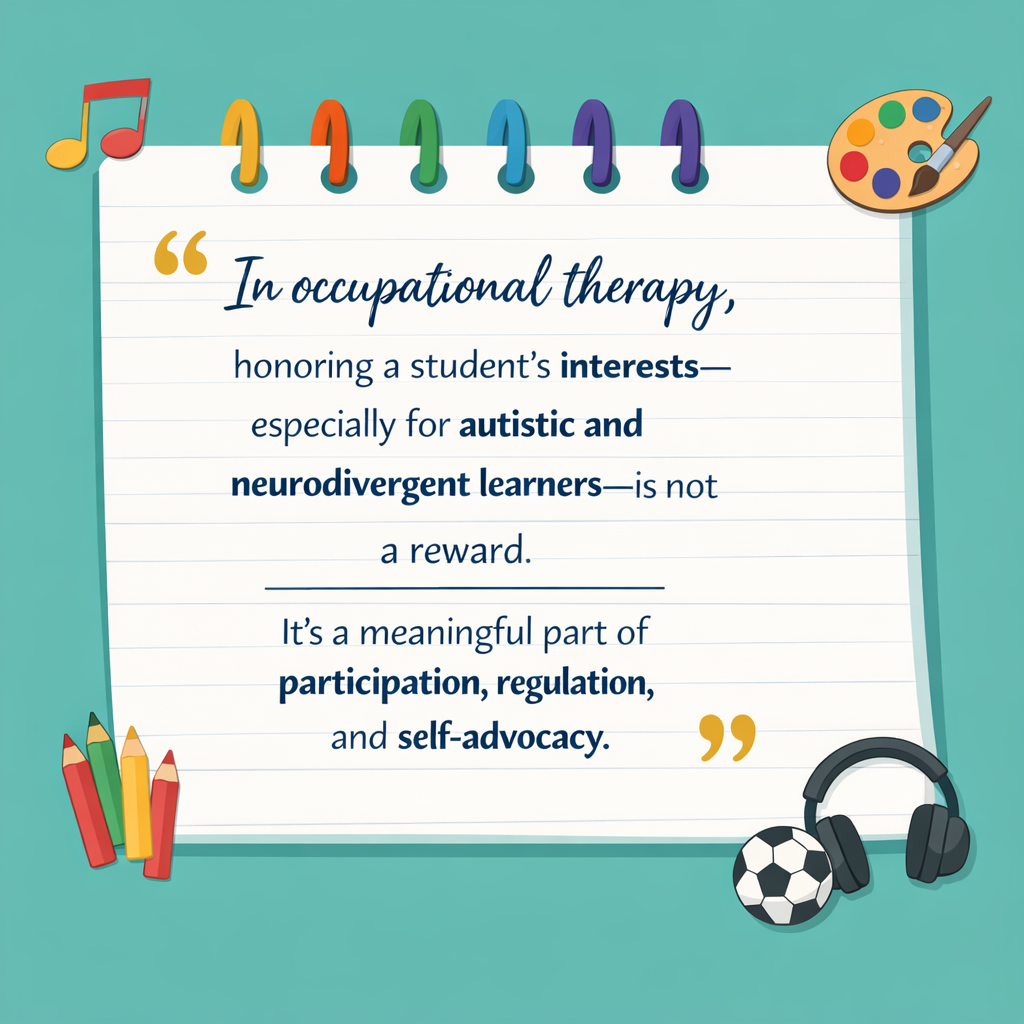
In occupational therapy, honoring a student’s interests—especially for autistic and neurodivergent learners—is not a reward. It’s a meaningful part of participation, regulation, autonomy, and self-advocacy.
Making Interests Visible and Accessible
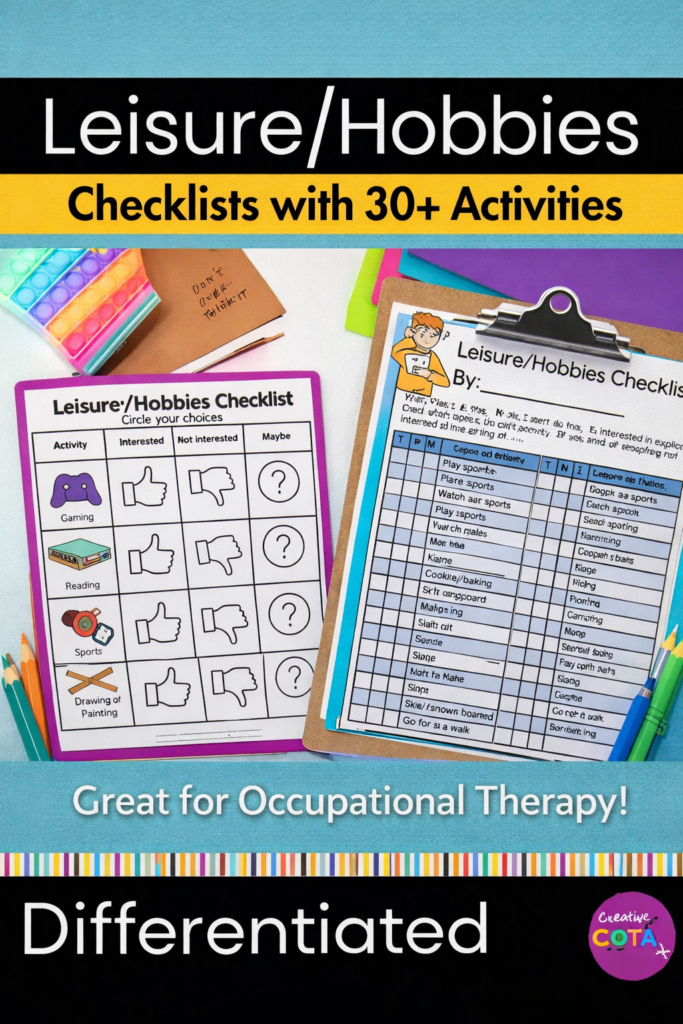
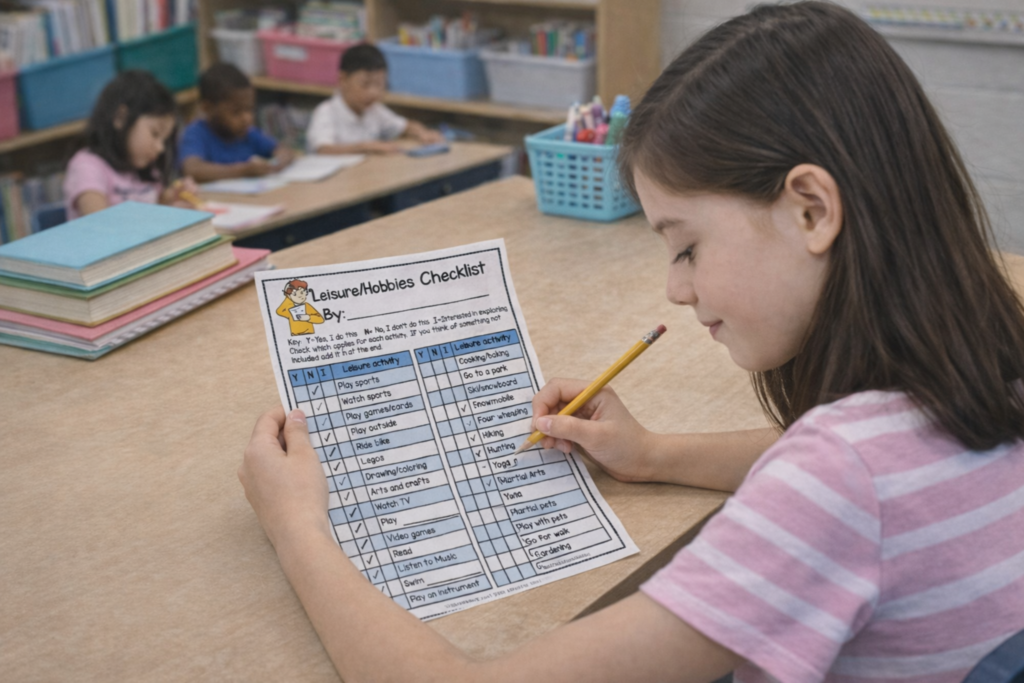
In practice, many occupational therapists use structured tools, visuals, and checklists to help students explore leisure activities in a concrete way. Having both picture-based and list-style options can be especially helpful for students with autism, neurodivergent learners, and those with varied communication needs.
This approach is what led me to create my Leisure and Hobby Interest Checklist—as one option among many for supporting interest identification and autonomy in occupational therapy. Tools like this can make abstract conversations more accessible and give students a clear way to express preferences, especially during evaluations, goal-setting, or social-emotional learning activities.
Why This Matters Beyond Therapy Sessions
When students understand their own interests and are supported in making choices, they’re better equipped to:
- Advocate for themselves
- Exercise autonomy in daily routines and leisure time
- Participate more fully in school and community activities
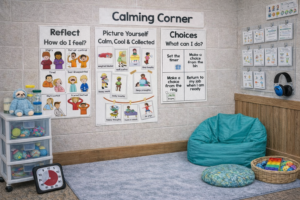
- Build routines that support regulation and well-being
- Carry leisure and decision-making skills into adolescence and adulthood
For neurodivergent students, especially those with autism, autonomy—supported with the right tools and accommodations—is deeply empowering.
A Thoughtful Reset for January
January often brings a natural pause—a chance to reflect, reset routines, and revisit goals. National Hobby Month is a meaningful reminder to slow down and ask students what they enjoy, without judgment or assumptions.
In occupational therapy, those conversations often become the foundation for trust, engagement, autonomy, and real progress. Sometimes the most impactful work begins with a simple question:
“What do you like to do?”

About the Author
I am a Certified Occupational Therapy Assistant (COTA) and have been working in a public school system for more than 25 years. My resources can be found on TPT, BOOM Learning, Made by Teachers, Classful, and Your Therapy Source. I appreciate your interest, wherever you wish to shop.
I also now have workbooks on Amazon.
My mission is to help you find creative ideas to incorporate fine motor, visual perception, gross motor, and social-emotional learning into your lessons.
I hope you consider signing up for my Free Resource Library with your Email. I send out emails about once a week and share resources, tips, and planning ideas for your classroom or occupational therapy needs. Hopefully, these help your students work on building their skills in a fun and engaging way.
Thank you for your interest in my resources and ideas. I hope you will consider following my journey on TPT or wherever you wish to shop.
This post contains affiliate links. If you use a link and make a purchase, I may receive a small commission at no cost to you.