Simple Occupational Therapy Tricks To Improve Scissor Skills: Cutting Practice with Scissors
Ever notice your students lifting their elbows way up while cutting with scissors? Or twisting the scissors instead of turning the paper? When looking at
Check out my printed workbooks ➡︎ SHOP AMAZON

Ever notice your students lifting their elbows way up while cutting with scissors? Or twisting the scissors instead of turning the paper? When looking at

Tiny games like the World’s Smallest Games series are perfect for occupational therapy, fine motor skill development, classroom centers, and indoor recess activities. Compact, portable, and fun, these games help kids build hand-eye coordination, visual perceptual skills, and social-emotional abilities while reducing screen time.

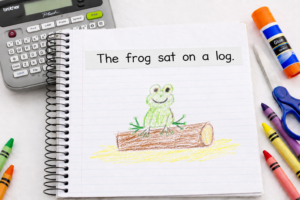
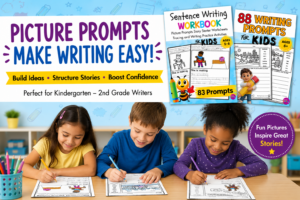
Looking for simple ways to boost writing skills in kindergarten and first grade? Using fun pictures as writing prompts can help young students generate ideas, improve sentence writing, and develop early storytelling skills—especially if they struggle with executive functioning or organizing their thoughts. In this post, you’ll learn how to use everyday photos, drawing strategies, and engaging games like “Roll a Story” to spark creativity and support writing development both at home and in the classroom.
Help your kindergarten or first grade child build writing confidence using creative picture prompts! Discover simple ways to support early writing skills at home, even if your child struggles with executive functioning or can’t picture events clearly. Learn how to use story cubes, family photos, and visual writing games to make sentence writing fun and effective. Plus, get an easy, printable picture prompt workbook with 88 seasonal images to inspire storytelling all year long.

Building strong prewriting skills is essential for helping young children develop the fine motor strength, pencil control, and visual-motor coordination they need to begin learning to write. Before picking up a pencil, kids benefit from tracing lines and shapes, practicing prewriting strokes, and exploring multisensory activities that support hand strength, letter formation, and number recognition. These foundational skills set the stage for success in preschool, kindergarten, and for neurodiverse or special needs learners who may need extra support.

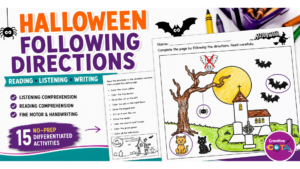
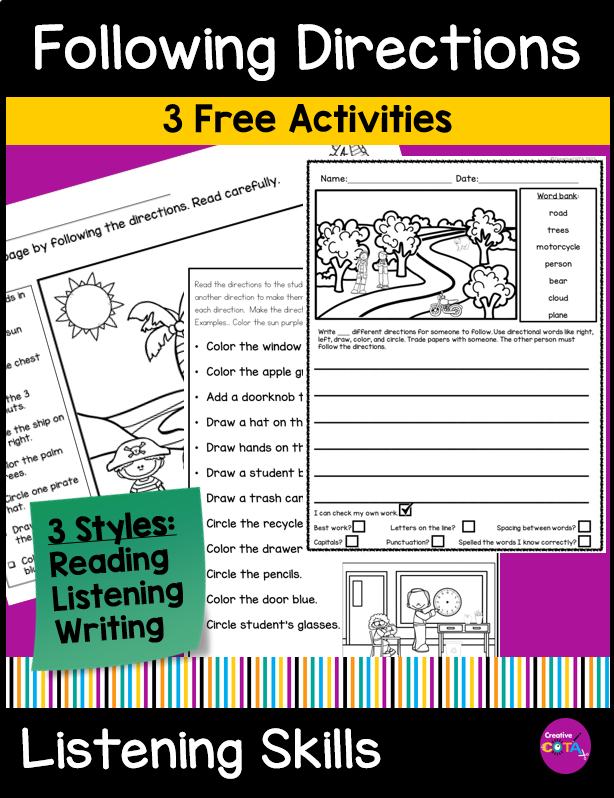
Discover fun, simple ways to strengthen following directions and listening skills to improve reading comprehension in kindergarten and first grade students—perfect for home or classroom use.

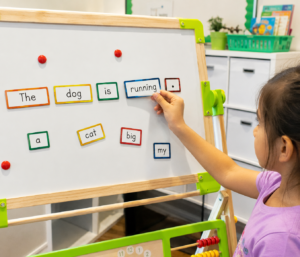
As a school-based occupational therapy assistant, I’ve learned that supporting writing doesn’t always mean handing a student a pencil and paper. For many of my students—especially those who are non-speaking, use AAC, or have sensory and motor differences—traditional handwriting tasks can be limiting or even stressful.

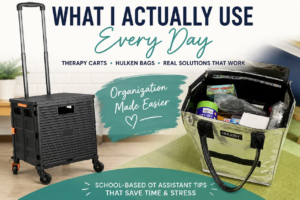
Back-to-school season is one of the busiest times of year for occupational therapists working in schools. With changing schedules, new caseloads, and lots of transitions, it’s important to have quick, effective activities ready to go—especially when you’re traveling from school to school like I do.