
In the world of occupational therapy, learning is not just about sitting at a desk and absorbing information. It’s about creating an environment where students can thrive, explore, and develop skills in a fun and engaging way. One teacher’s snide comment, “Your room must be like Disney World since it is their favorite time of the week,” speaks volumes about the effectiveness of incorporating enjoyable activities into therapy sessions. At the heart of occupational therapy lies the principle of focusing on student strengths while addressing weaknesses through creative means. Here are some fun activities that occupational therapists use to captivate students while working on their developmental goals:
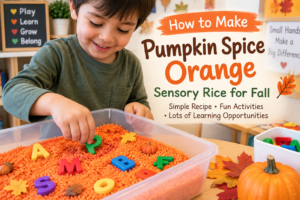
- Sensory Stations: Transforming therapy rooms into sensory-rich environments akin to amusement parks allows students to explore and engage their senses. From tactile bins filled with various textures to calming sensory bottles, these stations provide opportunities for sensory integration and self-regulation.
- Gross Motor Games: Incorporating movement-based games and activities not only keeps students active but also enhances their gross motor skills. From obstacle courses to yoga sessions and dance parties, these activities promote coordination, balance, and strength.
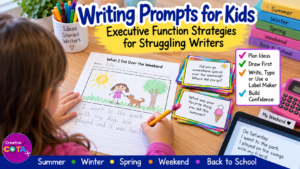
- Handwriting Without a Pencil: There are so many alternative ways to learn letters and produce written work. Incorporating a multi-sensory approach and finding the correct technology to support a student when writing is rewarding. Whether it be a fun erasable pen, keyboarding, or voice-to-text there are so many options of ways to engage reluctant writers.
- Fine Motor Fun: Engaging students in fine motor activities disguised as games makes skill-building enjoyable. From threading beads to completing puzzles and playing with manipulatives like Play-Doh and pipe cleaners, these activities strengthen hand-eye coordination and dexterity.
- Interactive Technology: Leveraging interactive apps and games on tablets or computers can make learning more engaging for students. Whether it’s tracing letters, solving puzzles, or playing educational games, technology offers diverse opportunities for skill development in a modern and interactive way.
- Social-Emotional Learning Through Play: Using play-based interventions, occupational therapists facilitate social-emotional learning in students. Through role-playing scenarios, cooperative games, and group activities, students learn valuable social skills such as turn-taking, sharing, and empathy in a supportive environment.
Check out this and more activities in my Free Resource Library. Sign up and receive emails with new tips and resources every week.
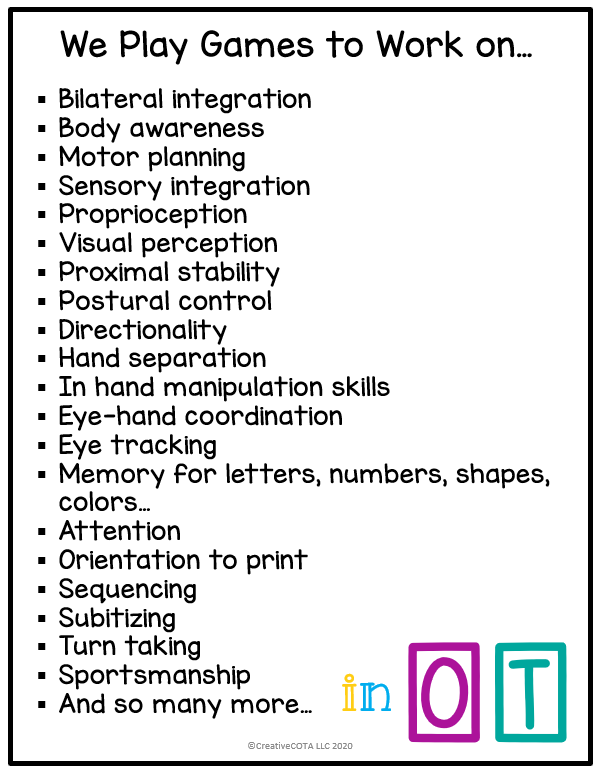
By infusing therapy sessions with these engaging activities, occupational therapists create dynamic learning experiences that cater to student’s interests and strengths while addressing their areas of growth. Just like Disney World sparks joy and wonder, occupational therapy sessions become spaces where students flourish and thrive, embracing challenges with enthusiasm and confidence. From the outside looking in it may look like we are just playing games but those games are working on so many skills.
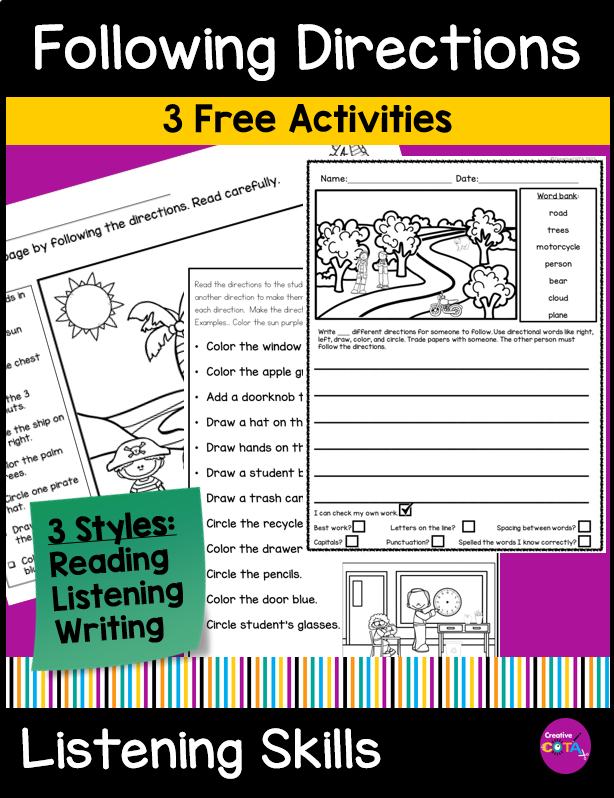
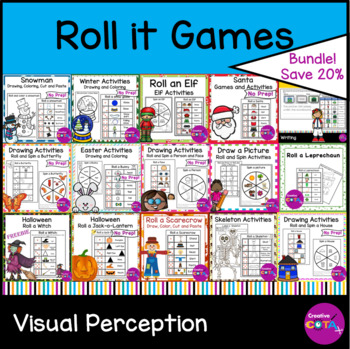
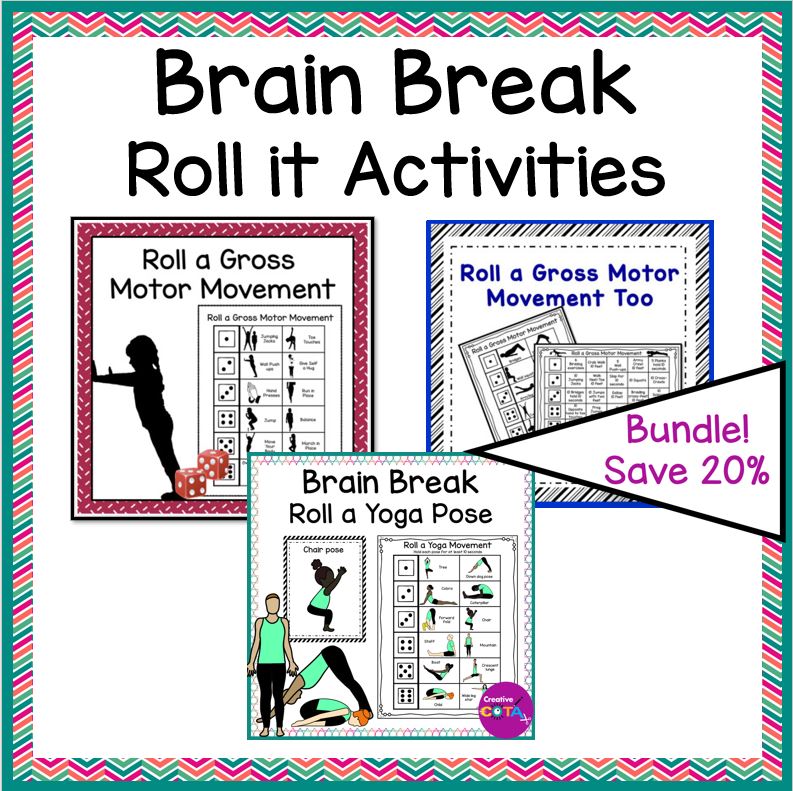
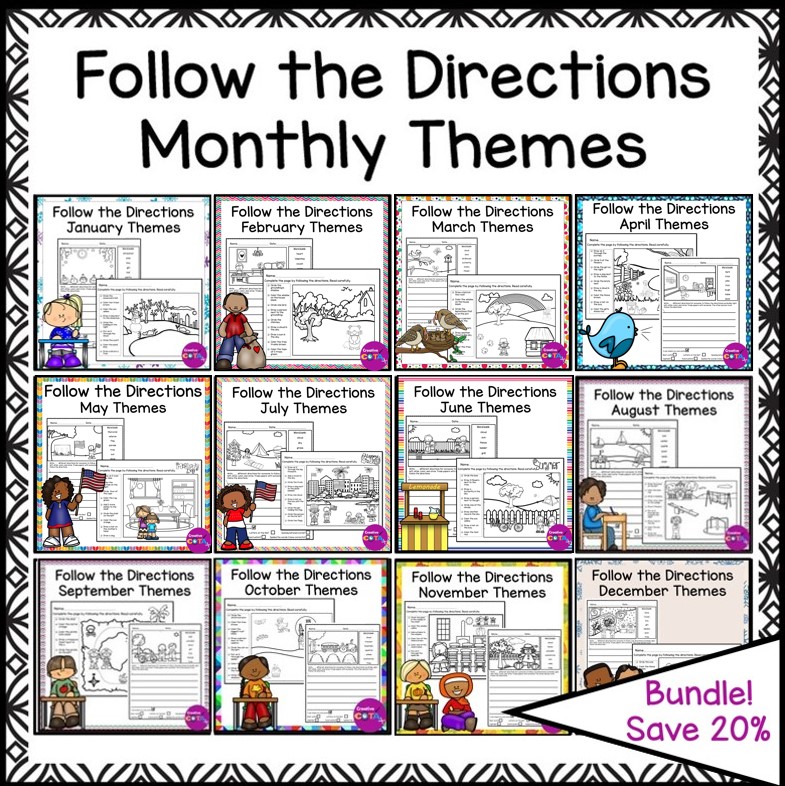
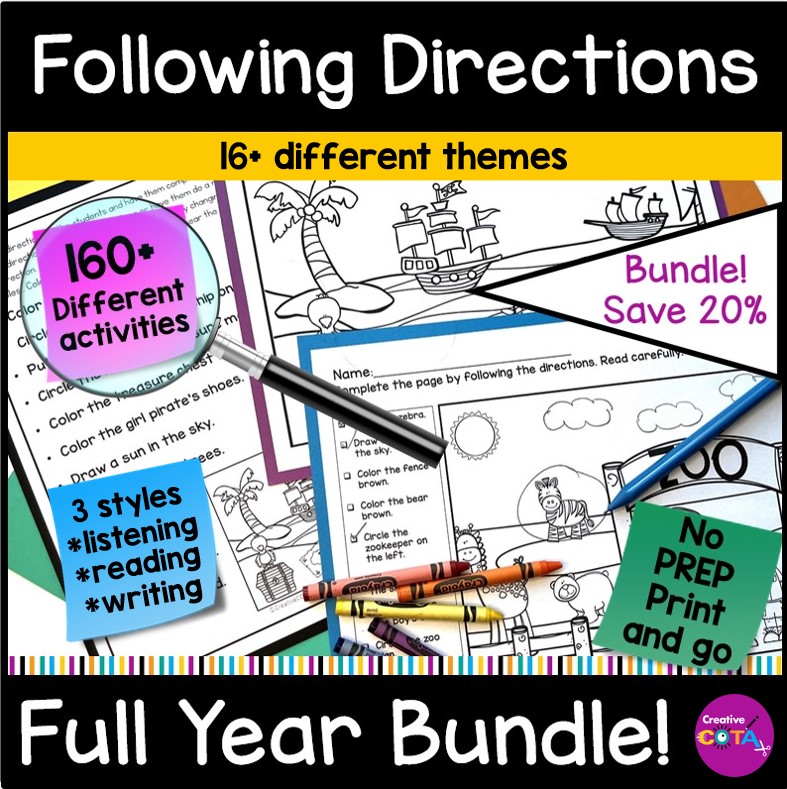
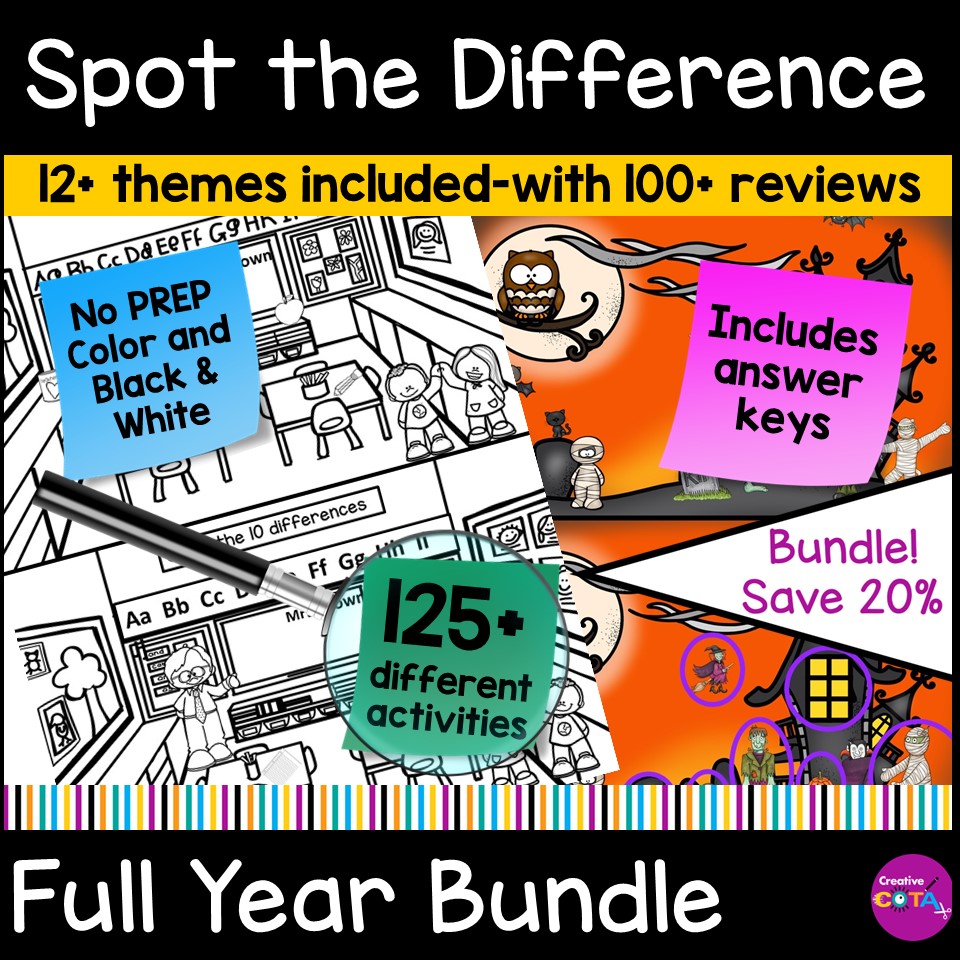
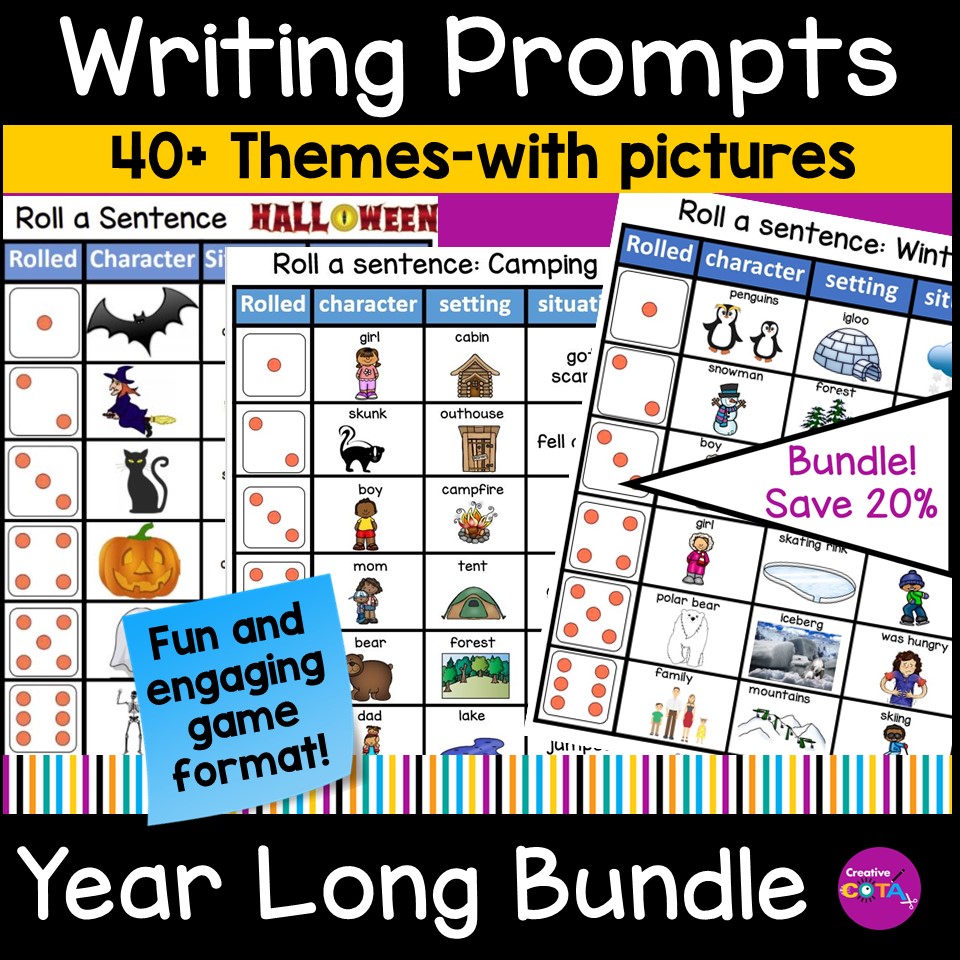
Check out my resources to add some fun into your therapy sessions or classroom. Engaged, regulated students will learn more. Here are a few for you to consider.



About the Author
I am a Certified Occupational Therapy Assistant (COTA) and have been working in a public school system for more than 25 years. My resources can be found on TPT, BOOM Learning, Made by Teachers, Classful, and Your Therapy Source. I appreciate your interest wherever you wish to shop.
My mission is to help you find creative ideas to incorporate fine motor, visual perception, gross motor, and social-emotional learning into your lessons.
I hope you consider signing up for my Free Resource Library with your Email. I send out emails about once a week and share resources, tips, and planning ideas for your classroom or occupational therapy needs. Hopefully, these help your students work on building their skills in a fun and engaging way.