
(This post contains affiliate links. If you use a link and purchase one of the items I recommended I will receive a small fee. There is no cost to you.)
In the classroom, students may misbehave due to various factors, including unmet sensory needs, difficulty with self-regulation, or challenges in social-emotional learning (SEL). Creating a calming corner can be a great strategy.
Outfit your calming corner with sensory-friendly tools and activities, it fosters self-regulation, addressing sensory differences and promoting emotional well-being. Incorporating OT techniques in the calming corner, such as deep breathing exercises or fidget tools, enhances students’ ability to return to the learning environment effectively. By including SEL principles and OT strategies, educators can create a supportive space that allows students to thrive academically and emotionally.
Creating a Calming Corner in Your Classroom to Help with Classroom Management
Classroom management can be an overwhelming task. Time outs or what is often said in school classrooms, “take a break” do not teach children, they let children know if they do something you do not like you will reject and isolate them. You hope that they are reflecting on what they did, most often they are not. It is giving you a break from them, but not helping solve the underlying problem.
The behavior is the symptom, the outward indication that something is wrong. You need to find the cause or “why”.
All behaviors have a reason and when you can figure out and solve the “why” they will decrease. Much like curing an ailment will remove the symptoms. Your school occupational therapist (OT), school counselor, and school psychologist can help you design a calming corner and give you strategies to address the difficulties your students may be having.
15+ reasons for “behaviors” in the classroom. What is the “why”? What do they need?
1. Is something going on at home?
2. Are they hungry?
3. Is it a busy time of year?
4. Is staff different?
5. Are they tired?
6. Is their medication wearing off, or are they not getting it?
7. Do they need movement for self-regulation?
8. Are they attempting to get out of something challenging?
9. Are they craving attention and trying to build relationships?
10. Is the schedule different?
11. Are they testing boundaries?
12. Is the task too difficult?
13. Is the environment overstimulating (visually, or auditorily)?
14. Are they sick?
15. Are they nervous about a weekend at home or upcoming vacation from school?
16. Are the adults around them stressed and not able to co-regulate?
Designing a Calming Corner in the Classroom
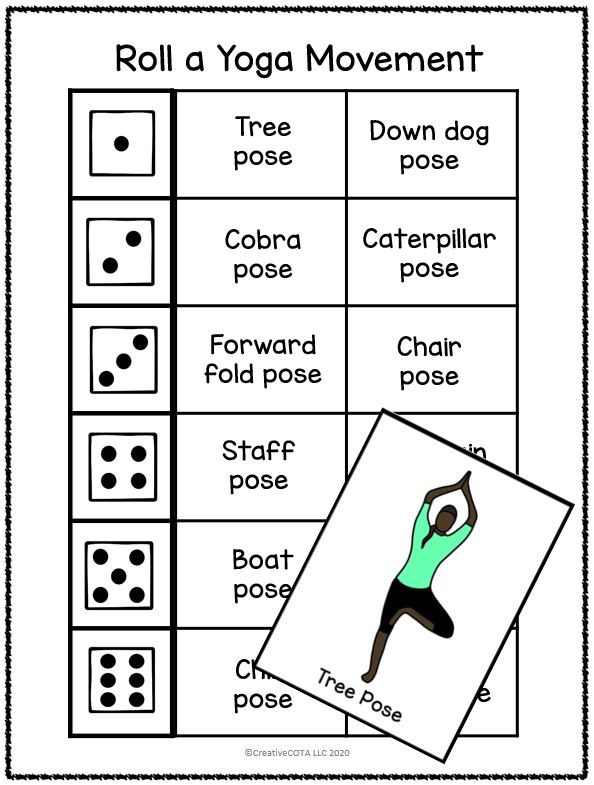
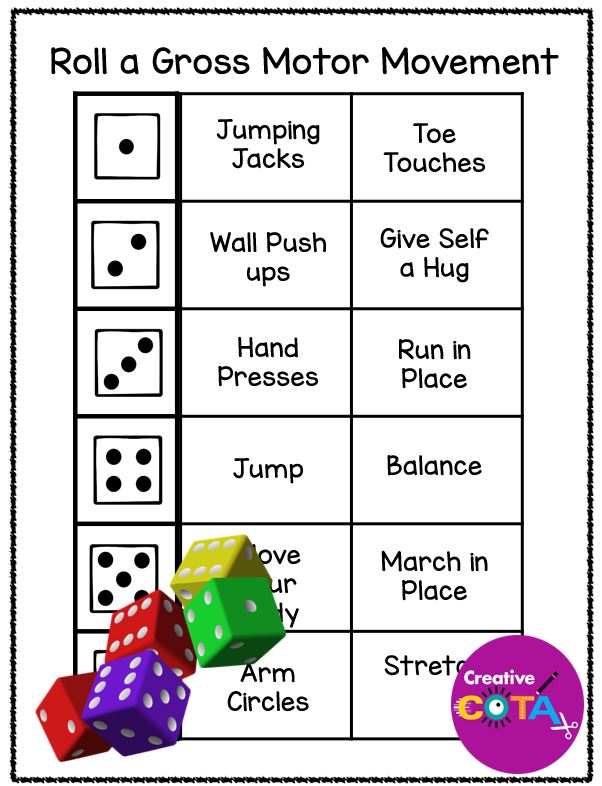
Find a corner of your room, use a rug, beanbag, rocking chair and/or tent, and make it comfortable. Consider having snacks and mini waters available if you can. Add a weighted blanket or stuffed animal. Large pop-its, yoga dice and roll-a-movement dice can be nice additions.
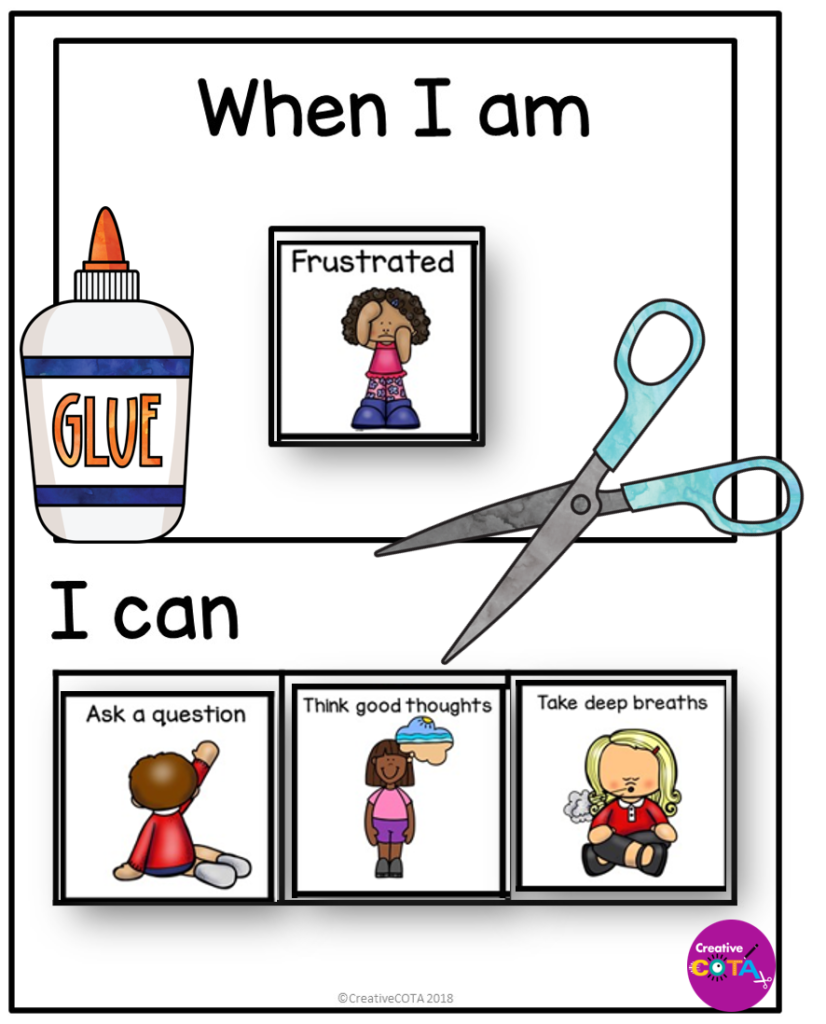
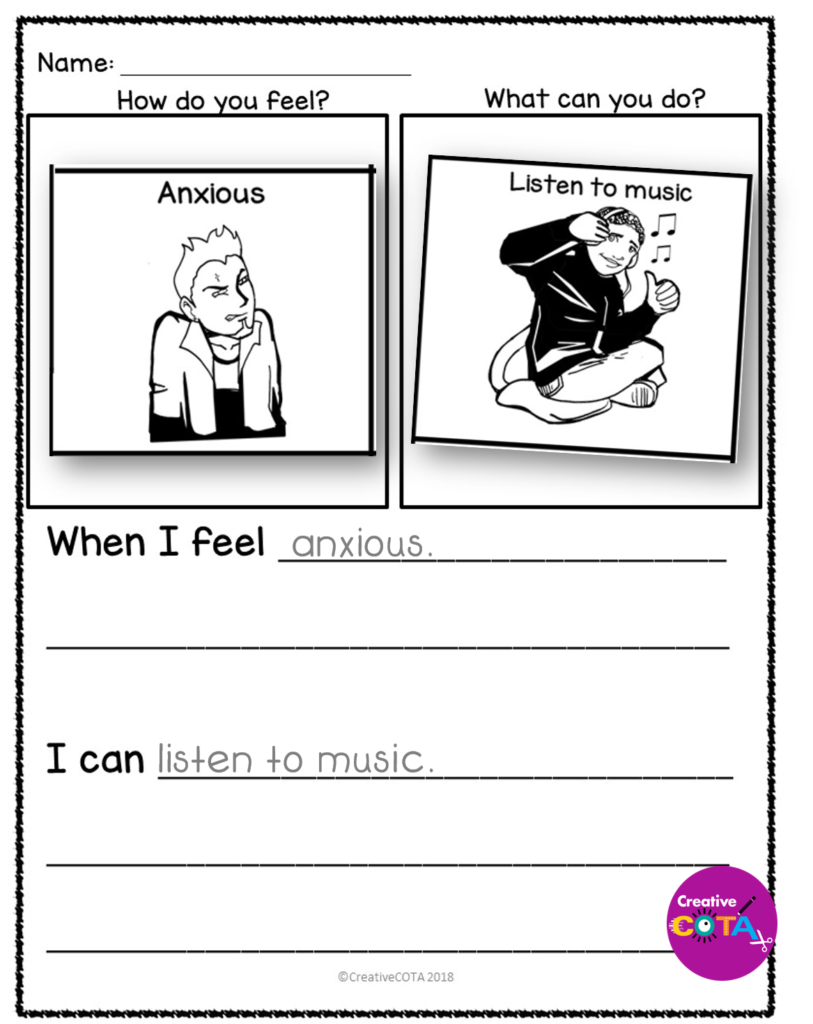
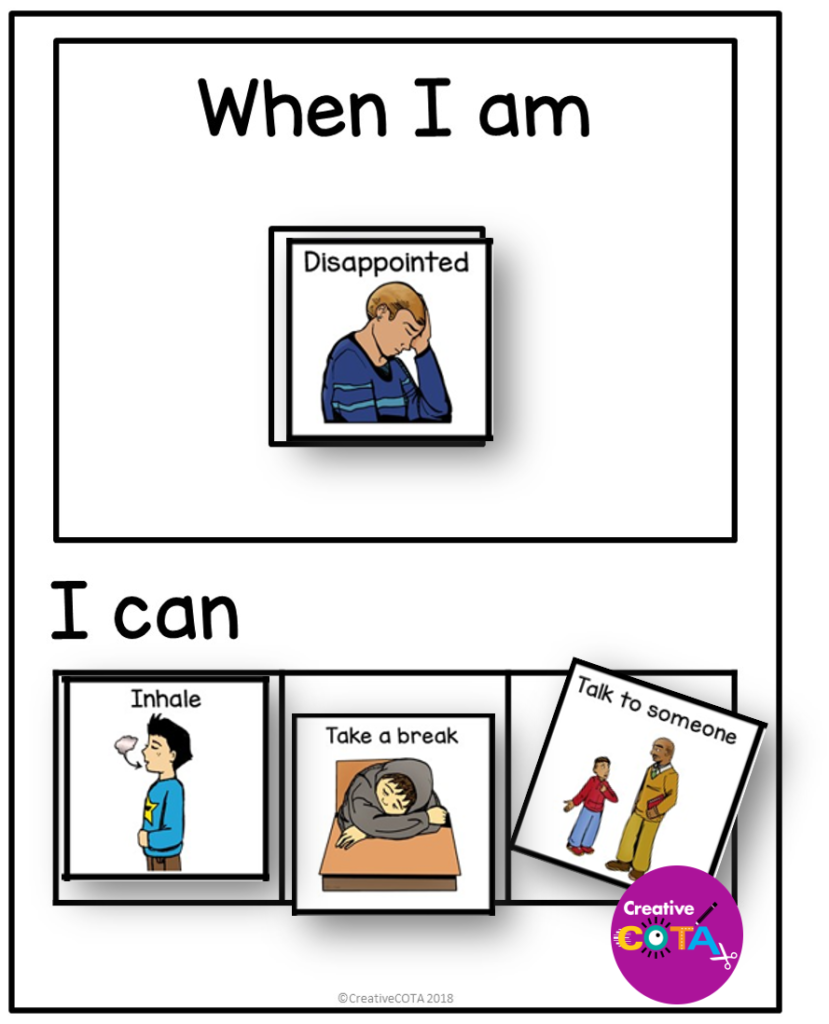
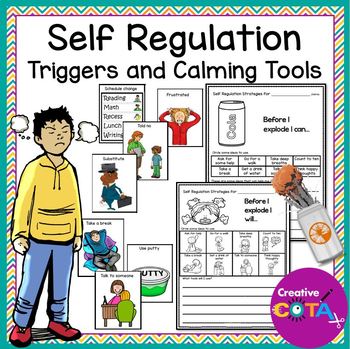
Visuals for activities they can choose to get regulated and return to the class can be very helpful. Visuals to help identify what they are feeling. Check out The Free Resource Library for visuals for your calming corner.
You can also find many resources for self-regulation and social-emotional learning at CreativeCOTA LLC on TPT.



About the Author
I am a Certified Occupational Therapy Assistant (COTA) and have been working in a public school system for more than 25 years. My resources can be found on TPT, BOOM Learning, Made by Teachers, Classful, and Your Therapy Source. I appreciate your interest wherever you wish to shop.
My mission is to help you find creative ideas to incorporate fine motor, visual perception, gross motor, and social-emotional learning into your lessons.
I hope you consider signing up for my Free Resource Library with your Email. I send out emails about once a week and share resources, tips, and planning ideas for your classroom or occupational therapy needs. Hopefully, these help your students work on building their skills in a fun and engaging way.
Thank you for your interest in my resources and ideas. I hope you will consider following my journey on TPT or wherever you wish to shop.