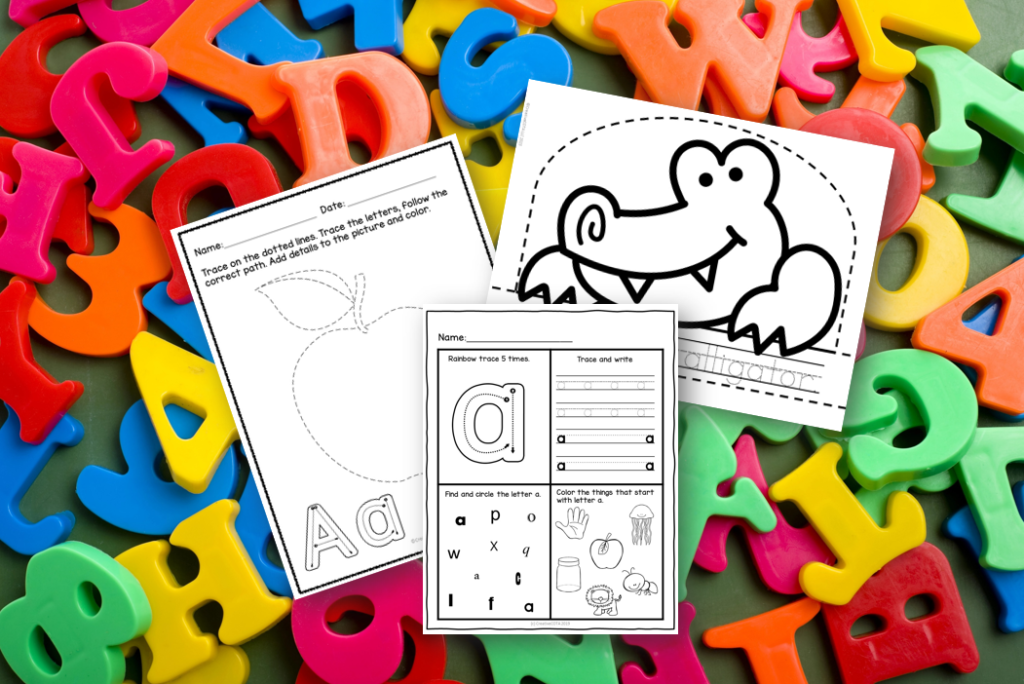
Integrating letter-of-the-week activities into your literacy curriculum is a dynamic way to introduce young learners to the alphabet. These activities foster essential skills in letter recognition, identification, and formation, using a hands-on approach that keeps students engaged. Designed to support the development of both reading readiness and fine motor abilities, letter-of-the-week activities provide a structured yet flexible framework for introducing each letter.
Why Letter-of-the-Week Activities Work
- Letter Recognition and Identification
By focusing on one letter each week, students can truly learn the visual form of each letter. This method allows them to recognize the unique shape of both upper and lowercase versions, building familiarity and fluency as they identify letters in reading materials. Use multi-sensory activities, visuals, tracing, and engaging crafts to reinforce identification, making it easier for students to distinguish between similar-looking letters. - Letter Formation Skills
Letter-of-the-week activities are ideal for teaching proper letter formation, an essential skill for young learners. By practicing strokes, tracing, and free-hand writing, children develop the muscle memory needed to write each letter confidently and legibly. This repetitive practice builds a foundation for future handwriting, particularly when paired with activities focused on proper letter stroke order and spacing. - Phonics and Sound Association
Letter-of-the-week activities also include phonics elements, connecting each letter with its primary sound. Students can learn to associate letters with sounds through fun, thematic crafts and worksheets, helping them build a strong foundation in phonemic awareness, which is key to early reading. - Fine Motor and Visual Skills
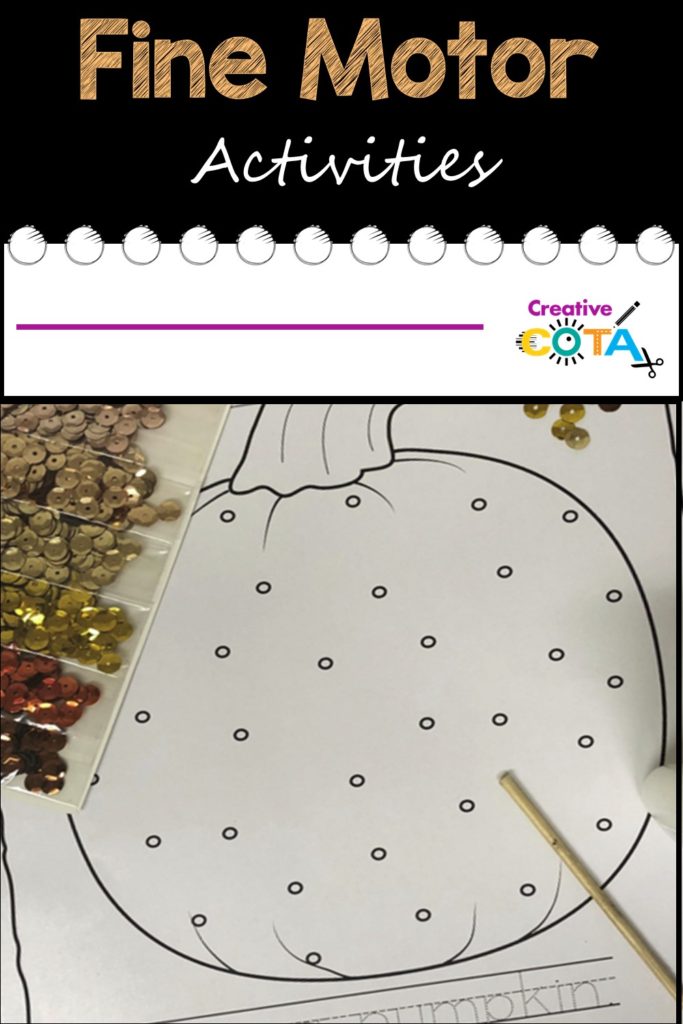
As students work with scissors, glue, and coloring tools, they develop essential fine motor skills like hand strength and coordination. Many letter-of-the-week crafts involve tasks that improve visual discrimination as well, training students to recognize specific patterns and differentiate between shapes. These skills are critical for accurate letter identification and formation.
Example Crafts for Each Letter
Here are some low-prep craft ideas that reinforce letter recognition and are easy to create with basic materials:
- A – Apple
- B – Beach Ball
- C – Caterpillar
- D – Dog
- E – Elmo
- F – Flower
- G – Gumball machine
- H – House
- I – Ice Cream
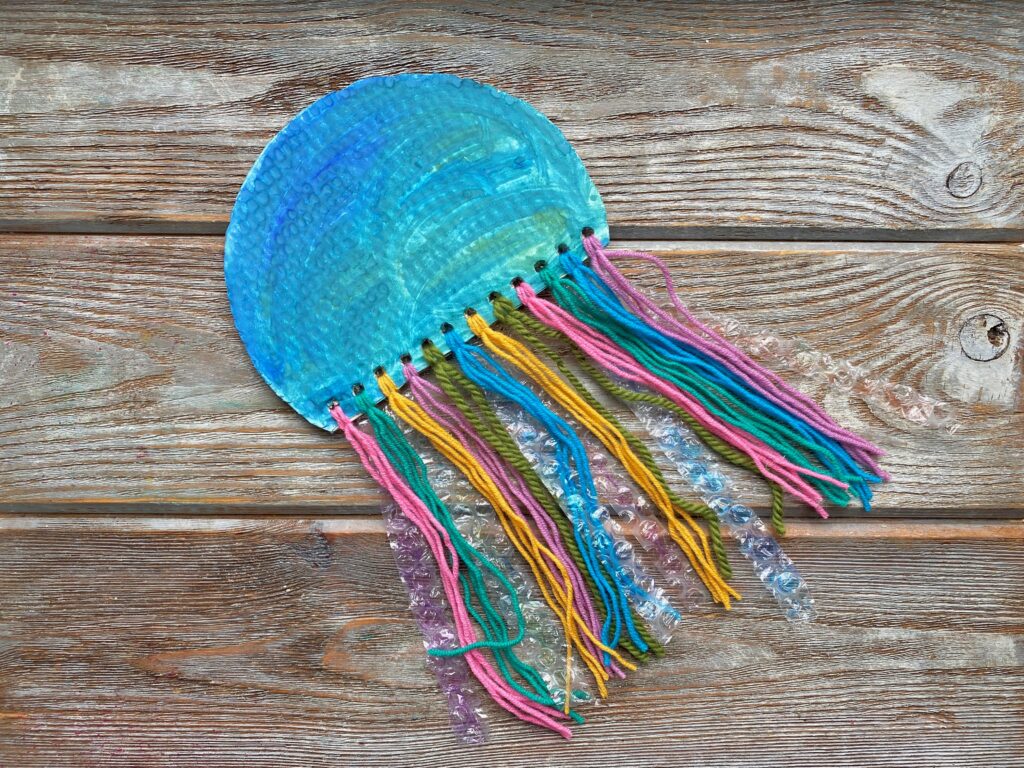
- J – Jellyfish
- K – Kite
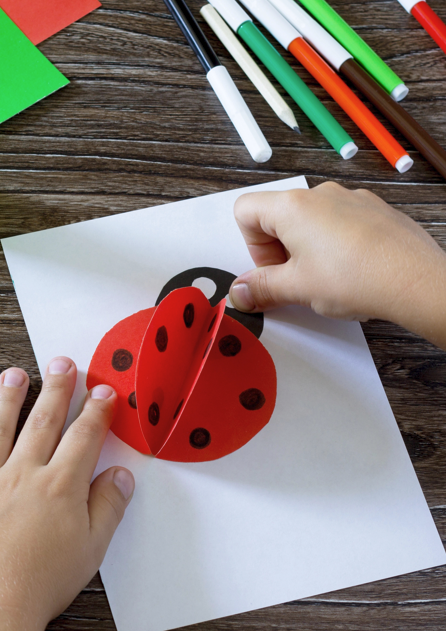
- L – Ladybug
- M – Mitten
- N – Nest
- O – Octopus
- P – Pumpkin
- Q – Quilt
- R – Rainbow
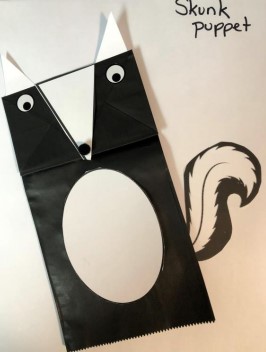
- S – Skunk
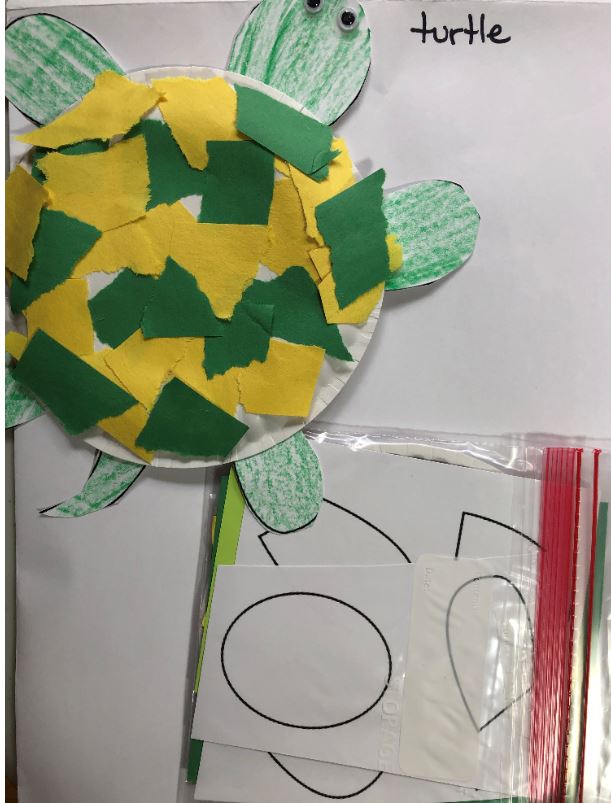
- T – Turtle
- U – Umbrella
- V – Volcano
- W – Watermelon
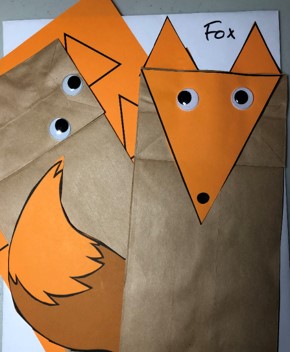
- X – FoX
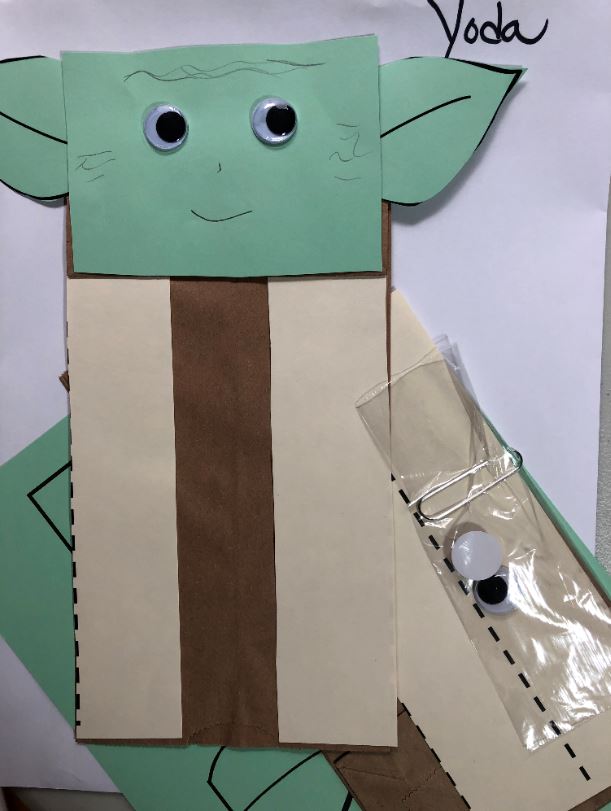
- Y – Yoda
- Z – Zebra
About my the Letter-of-the-Week Bundle
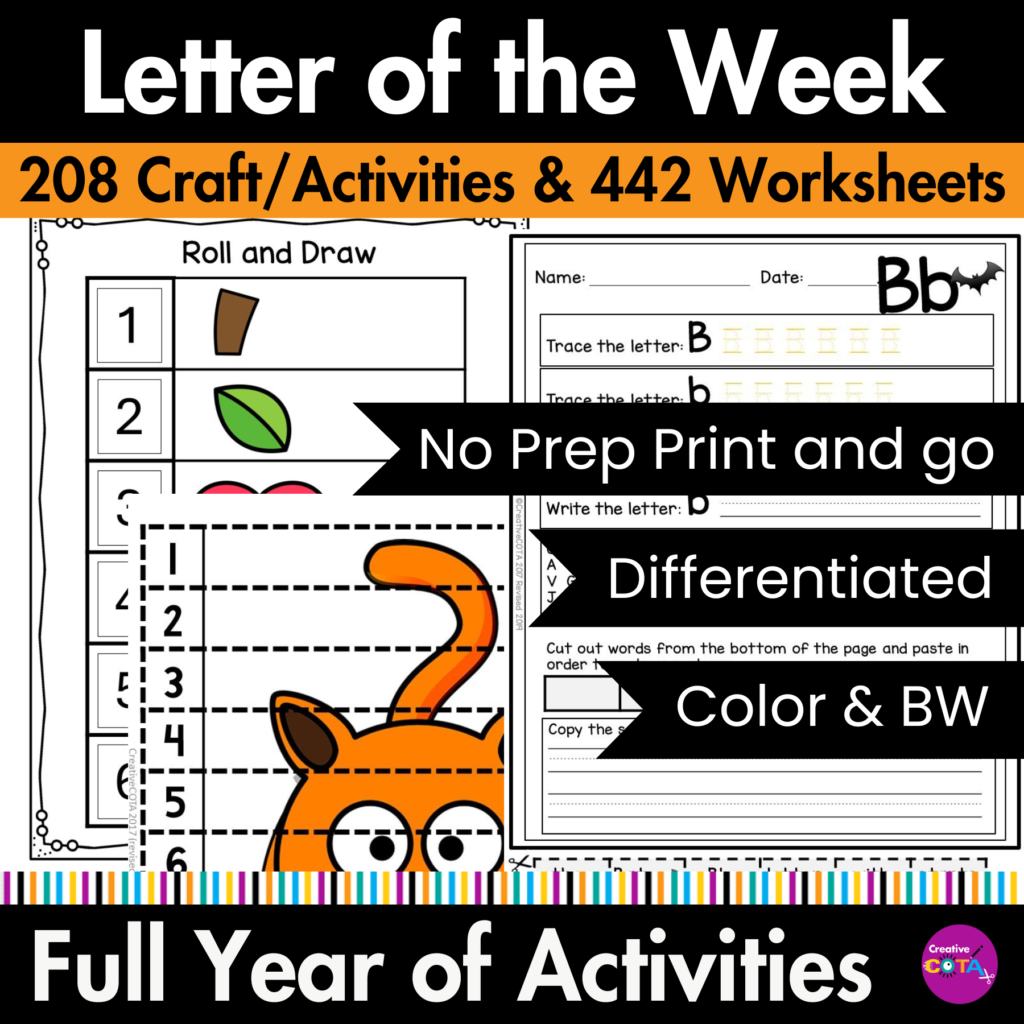
The Letter-of-the-Week Bundle offers a complete year of alphabet-based activities that can be used across preschool, kindergarten, and first grade. Each letter includes eight crafts (in both color and black-and-white) and 17 differentiated worksheets, covering upper and lowercase letters, letter sounds, and handwriting practice. This no-prep resource is easy to integrate into your literacy or occupational therapy sessions, offering engaging content that targets letter recognition, phonics, and motor skills development.
Letter-of-the-week activities help create a rich, multisensory learning experience that keeps young students motivated. By making each week’s focus fun and varied, you can build confidence in both letter formation and phonics, setting students up for reading success.
About the Author
I am a Certified Occupational Therapy Assistant (COTA) and have been working in a public school system for more than 25 years. My resources can be found on TPT, BOOM Learning, Made by Teachers, Classful, and Your Therapy Source. I appreciate your interest wherever you wish to shop.
My mission is to help you find creative ideas to incorporate fine motor, visual perception, gross motor, and social-emotional learning into your lessons.
I hope you consider signing up for my Free Resource Library with your Email. I send out emails about once a week and share resources, tips, and planning ideas for your classroom or occupational therapy needs. Hopefully, these help your students work on building their skills in a fun and engaging way.
Thank you for your interest in my resources and ideas. I hope you will consider following my journey on TPT or wherever you wish to shop.