How to Improve Drawing and Planning Skills in the Classroom
Are your students encountering challenges in the classroom, particularly when it comes to drawing recognizable pictures in their writing journals? Struggles with visual-motor coordination and difficulty processing visual information can manifest in various areas, affecting reading, spelling, handwriting, drawing, math, and comprehension. This blog post explores the benefits of incorporating engaging visual perception drawing activities into your teaching repertoire, offering students a fun and effective way to improve their drawing and planning skills.
Understanding Visual Perception: Visual perception is a foundational skill that enables a child to make sense of what they see. In the classroom, students are constantly processing visual information, and enhancing their ability to interpret this information is crucial. Visual perception activities serve as a valuable tool to support students in developing and strengthening this fundamental skill.
The Role of Visual-Motor Coordination: Visual-motor coordination is a key aspect of visual perception, and its impact extends to various academic areas. Difficulties in this area can lead to challenges in reading, spelling, and even comprehending written material. By addressing visual-motor coordination through targeted activities, educators can contribute to improved overall academic performance.
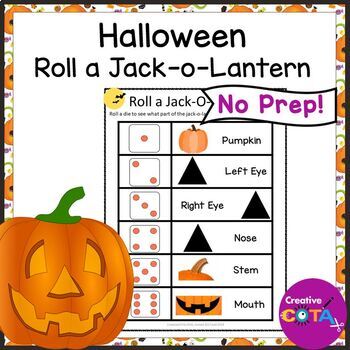
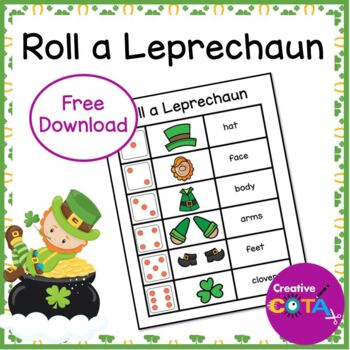
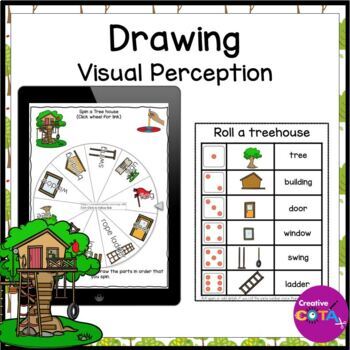
Engaging Roll or Spin and Draw Activities: One effective approach to enhancing visual perception and executive function skills is through the use of roll or spin and draw activities. These activities prompt students to utilize their visual perceptual and executive function skills to plan and execute drawings. With elements like rolling a die to determine drawing parts and color-by-number pages, these activities not only make learning enjoyable but also foster essential skills.
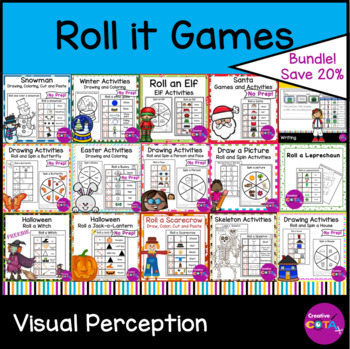
Benefits for Students: Engaging in visual perception drawing activities offers numerous benefits for students, including:
- Improved Drawing Skills: Through repeated practice, students enhance their ability to draw recognizable pictures, boosting their confidence and creative expression.
- Enhanced Visual Perception: These activities actively contribute to strengthening visual perception skills, allowing students to better interpret and understand visual information.
- Executive Function Development: Planning and organizing drawings in a sequential order based on dice rolls promote the development of executive function skills crucial for academic success.
- Turn-Taking and Collaboration: Incorporating these activities into group settings encourages turn-taking and collaborative efforts, fostering a positive classroom environment.
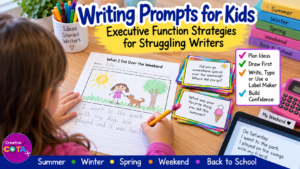
Integrating Writing Components: To further enrich the learning experience, consider adding a writing component to the activities. Students can practice letter formation, baseline adherence, and spacing, ultimately improving the legibility of their print while writing about their drawings.
There are several free versions in my Free Resource Library.
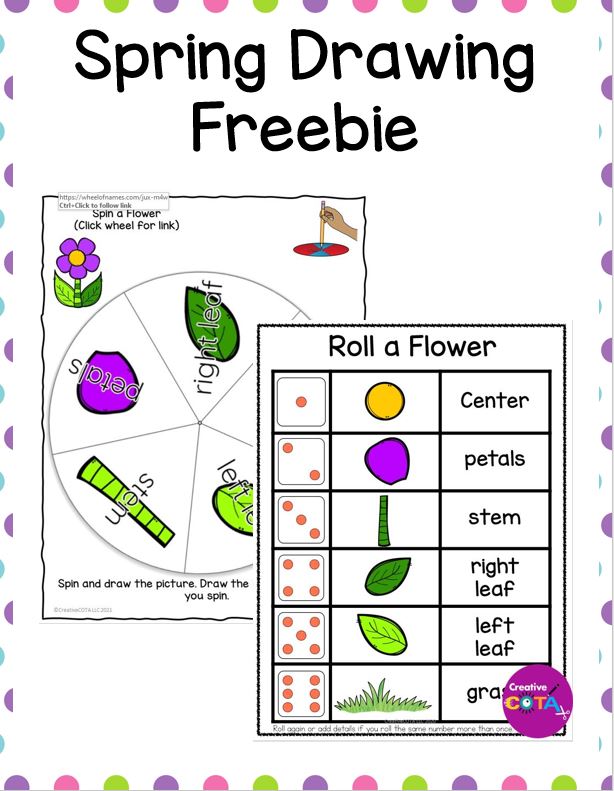


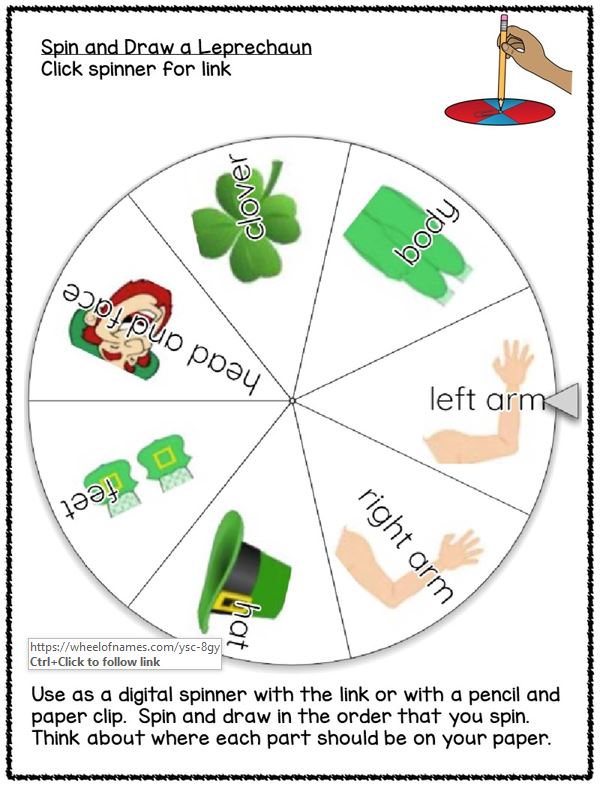
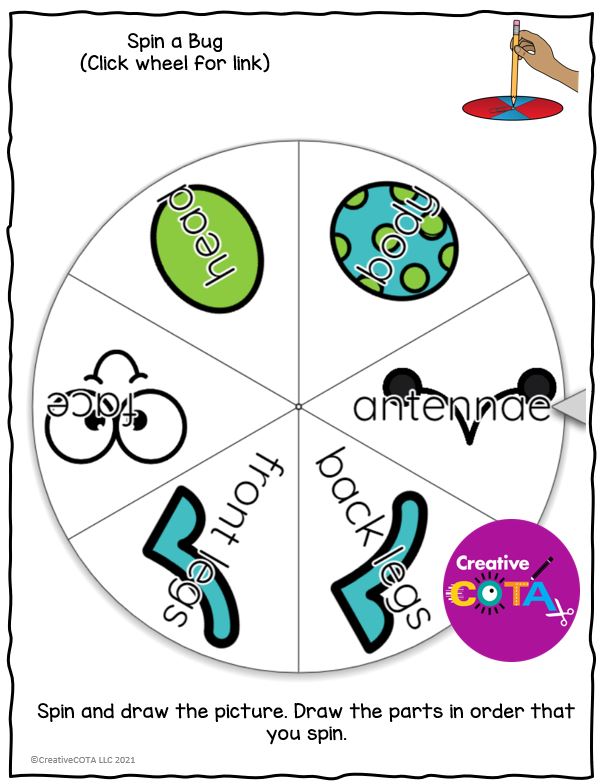
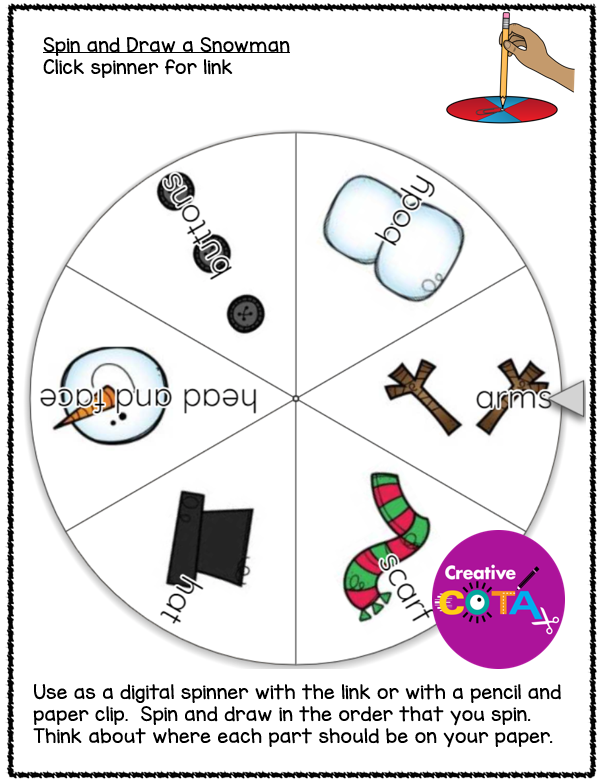
I have even more free options in my TpT Store:
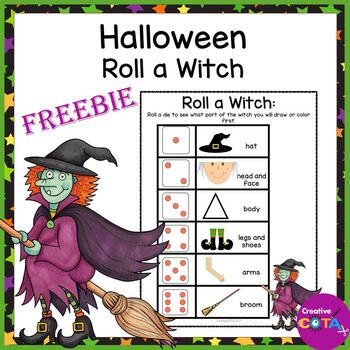
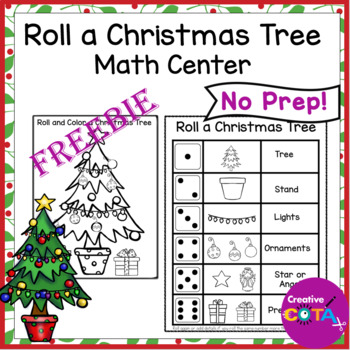
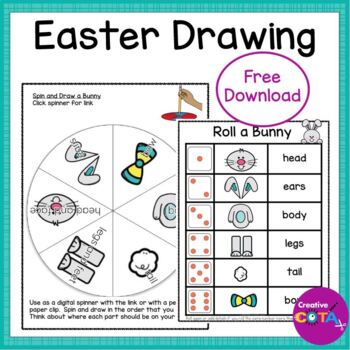
Fun visual perception drawing activities provide an effective and enjoyable means to address challenges related to drawing and planning skills in the classroom. As an educator, incorporating these activities into your teaching toolkit can contribute to the holistic development of students, enhancing not only their artistic abilities but also their fundamental academic skills.
If your students love them as much as mine I have many other seasonal and holiday versions in my store. I hope you can find something that works for you and your students.
About the Author
I am a Certified Occupational Therapy Assistant (COTA) and have been working in a public school system for more than 25 years. My resources can be found on TPT, BOOM Learning, Made by Teachers, Classful, and Your Therapy Source. I appreciate your interest wherever you wish to shop.
My mission is to help you find creative ideas to incorporate fine motor, visual perception, gross motor, and social-emotional learning into your lessons.
I hope you consider signing up for my Free Resource Library with your Email. I send out emails about once a week and share resources, tips, and planning ideas for your classroom or occupational therapy needs. Hopefully, these help your students work on building their skills in a fun and engaging way.