
In the journey of academic success, there are often hidden challenges that can hinder a student’s progress. One of these challenges lies in the realm of visual perception and eye tracking, fundamental skills that are often overlooked but are crucial for reading, writing, and other academic activities. As an occupational therapist assistant, I am excited to share with you the importance of addressing these skills and how engaging activities like spot-the-difference, word searches, puzzles, and more can make a significant difference in your child’s or student’s learning journey.
Visual perception encompasses a range of skills that enable us to make sense of visual information around us. It involves the ability to interpret and understand what we see, which is essential for tasks such as reading, writing, drawing, and math. Among these skills, eye tracking plays a pivotal role. Eye tracking involves the ability to move the eyes accurately and efficiently across a line of text, a page, or any visual stimulus. It enables us to scan, track, and focus on specific details, which are critical for tasks like reading comprehension, spelling, and handwriting.
For many students, especially those with learning differences or attention issues, developing strong eye-tracking and visual perception skills can be challenging. This is where activities like Bal-A-Vis-X, word searches, puzzles, diamond dots, and spot-the-difference games come into play. These activities are not just fun and engaging; they are also effective tools for improving eye tracking, scanning skills, and visual-motor coordination.
Bal-A-Vis-X stands for Balance/Auditory/Vision/eXercises. It is a series of exercises designed to improve sensory integration, focusing primarily on balance, auditory processing, and vision. Developed by Bill Hubert, Bal-A-Vis-X incorporates elements of rhythm, bilateral coordination, and visual tracking to enhance neurological connections and promote overall brain function. The exercises involve the use of sand-filled bags, racquetballs, and balance boards, among other tools, to engage multiple senses simultaneously. Bal-A-Vis-X is often used in educational and therapeutic settings to support individuals with sensory processing disorders, ADHD, dyslexia, and other neurological challenges. Through repetitive and structured movements, Bal-A-Vis-X aims to improve attention, concentration, coordination, and sensory-motor integration, ultimately leading to improved learning and behavior.
At the beginning of many therapy sessions, I include Bal-A-Vis-X activities as a valuable warm-up routine. Through mini-studies, my colleagues and I have observed improved reading fluency scores following these activities. We have also trained reading specialists, tutors, and teachers on integrating these activities into their lessons.
Let’s take a closer look at the benefits of incorporating these activities into your child’s or student’s routine:
- Enhanced Eye Tracking and Scanning Skills: Activities like word searches, puzzles, and spot-the-difference games require individuals to scan and track visual stimuli from left to right and top to bottom. This mimics the same eye movements needed for reading and writing, helping to improve fluency and comprehension.
- Improved Visual-Motor Coordination: Engaging in activities that involve tracing, connecting dots, or identifying differences between images can help strengthen the connection between visual input and motor output. This improves hand-eye coordination, which is essential for tasks like handwriting and drawing.
Now, you may wonder, when is the best time to incorporate these activities into your child’s or student’s routine? Here are some ideal scenarios:
- Occupational Therapy: These activities are ideal for occupational therapy sessions, where professionals can tailor exercises to target specific visual perception challenges.
- Classroom Stations: Set up stations in your classroom where students can engage in small group activities like word searches or spot-the-difference games. This encourages collaboration, social interaction, and skill development.
- Morning Bell Work: Kickstart the day with focused attention by providing visual perceptual activities as morning bell work. It sets a positive tone for the day and prepares students for learning.
- Early Finishers: For students who complete their work quickly, offer these activities as enriching tasks to keep them engaged and stimulated.
Fostering strong eye tracking and visual perception skills is crucial for academic success. Integrating engaging activities like spot-the-difference games and puzzles into daily routines provides valuable opportunities to enhance scanning abilities and visual-motor coordination. Whether in occupational therapy sessions, classroom stations or as morning bell work, these activities play a vital role in skill development. Exploring approaches such as Bal-A-Vis-X exercises further underscores the importance of sensory integration in learning. By prioritizing visual perception development, we help students navigate academic challenges effectively, paving the way for long-term success.
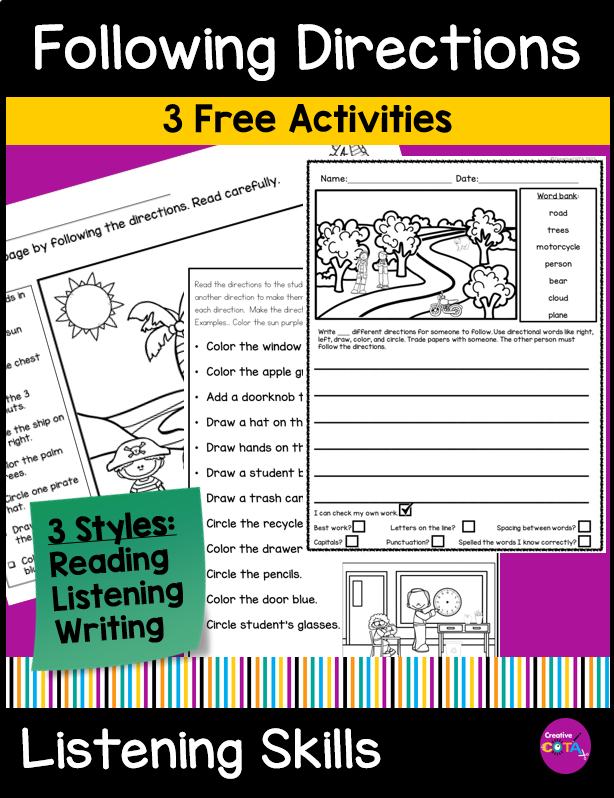
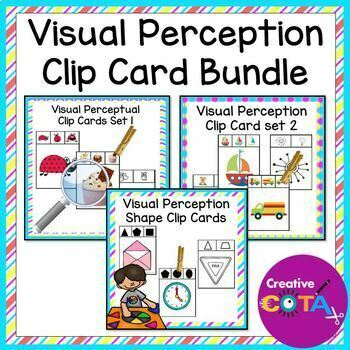
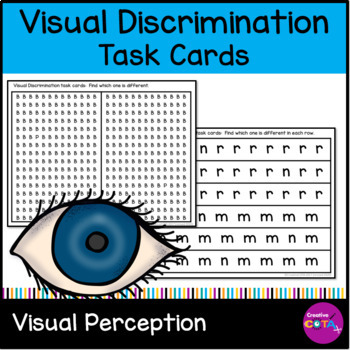
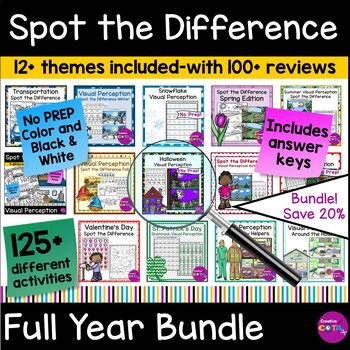
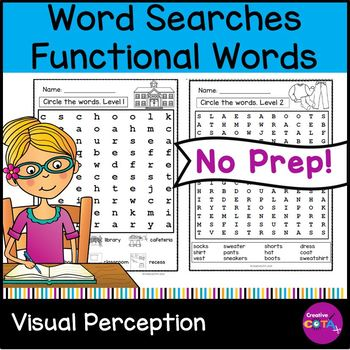
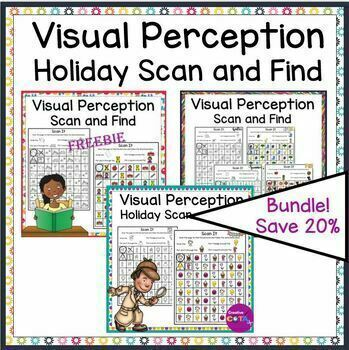
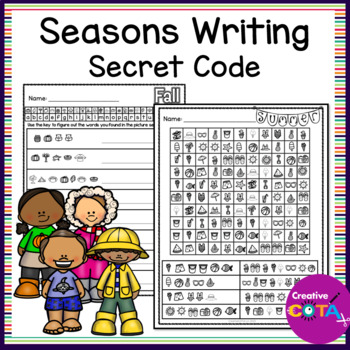
Together, let’s empower our students to navigate the world of academia with confidence and success. I have a variety of Visual Perceptual and eye-tracking activities in my TpT Store as well as in My Free Resource Library for you to check out. Here are just a few…
About the Author
I am a Certified Occupational Therapy Assistant (COTA) and have been working in a public school system for more than 25 years. My resources can be found on TPT, BOOM Learning, Made by Teachers, Classful, and Your Therapy Source. I appreciate your interest wherever you wish to shop.
My mission is to help you find creative ideas to incorporate fine motor, visual perception, gross motor, and social-emotional learning into your lessons.
I hope you consider signing up for my Free Resource Library with your Email. I send out emails about once a week and share resources, tips, and planning ideas for your classroom or occupational therapy needs. Hopefully, these help your students work on building their skills in a fun and engaging way.
Thank you for your interest in my resources and ideas. I hope you will consider following my journey on TPT or wherever you wish to shop.