
Back-to-school season can be a hectic time for occupational therapists. With the right strategies, you can streamline your workload and make the transition smoother. Here are some tips on how to make back-to-school less stressful, focusing on prepping materials and crafts ahead of time, setting up systems for progress monitoring and paperwork, and organizing your resources effectively.
1. Prepping Materials and Crafts Ahead of Time
Prepping materials and crafts in advance can save you a significant amount of time during the school year. Spend one day over the summer getting ready for the first month, or get really good and do it before you leave at the end of the school year. Here are some ideas:
- Plan Themes: Select themes for each month and gather all the necessary materials. For example, for September, you might choose themes like apples, fall, and back-to-school.
- Batch Craft Preparation: Prepare all the craft materials for the entire month at once. Cut out shapes, gather supplies, and organize them by week.
- Label Everything: Clearly label all materials and storage containers. This makes it easy to find what you need quickly.
2. Setting Up Systems for Progress Monitoring and Paperwork
Efficient progress monitoring and paperwork systems are crucial for managing your workload. Here’s how to set up effective systems:
- Digital Tools: Utilize digital tools for tracking progress and storing paperwork. Apps and software designed for occupational therapists can streamline these tasks.
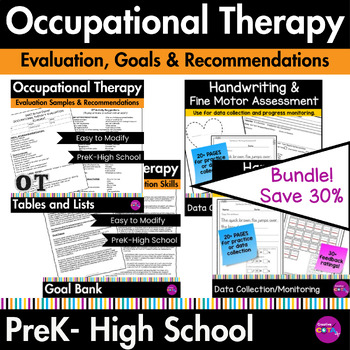
- Progress Check-ins: Plan monthly goal-orientated sessions to update progress notes and paperwork. Consistency is key to staying on top of documentation. Most of my sessions are fun and work on the foundation skills students need for success. Sometimes you just need a writing sample or something very specific to their goals.
- Templates and Forms: Use standardized templates and forms for assessments and progress notes. This reduces the time spent on paperwork.
3. Organizing Crafts, Activities, and Worksheets
A well-organized system can make a huge difference in managing your materials. Here’s my favorite method:
- Two-Gallon Ziploc Bags: I use two-gallon Ziploc bags to organize an entire theme of crafts, activities, and worksheets. Each bag contains everything needed for a particular theme. Check out this Using Themes for Occupational Therapy post for more information.
- Contents: Inside each bag, you’ll find pre-cut craft materials, worksheets, and any additional supplies. This makes it easy to grab and go when planning sessions.
- Label and Store: Clearly label each bag with the theme and month. Store these bags in a designated area for quick access. I store 4-5 themes in a bin for each month.
Monthly Themes and Ideas
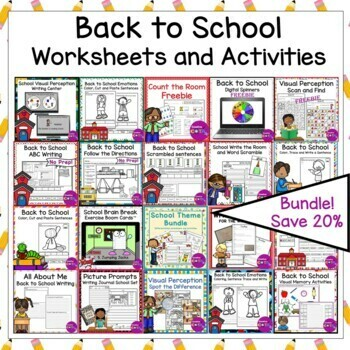
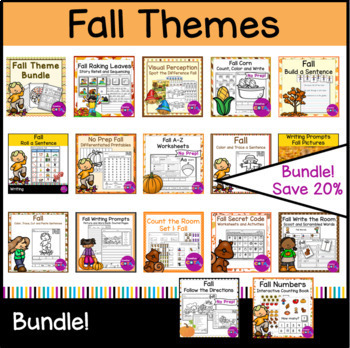
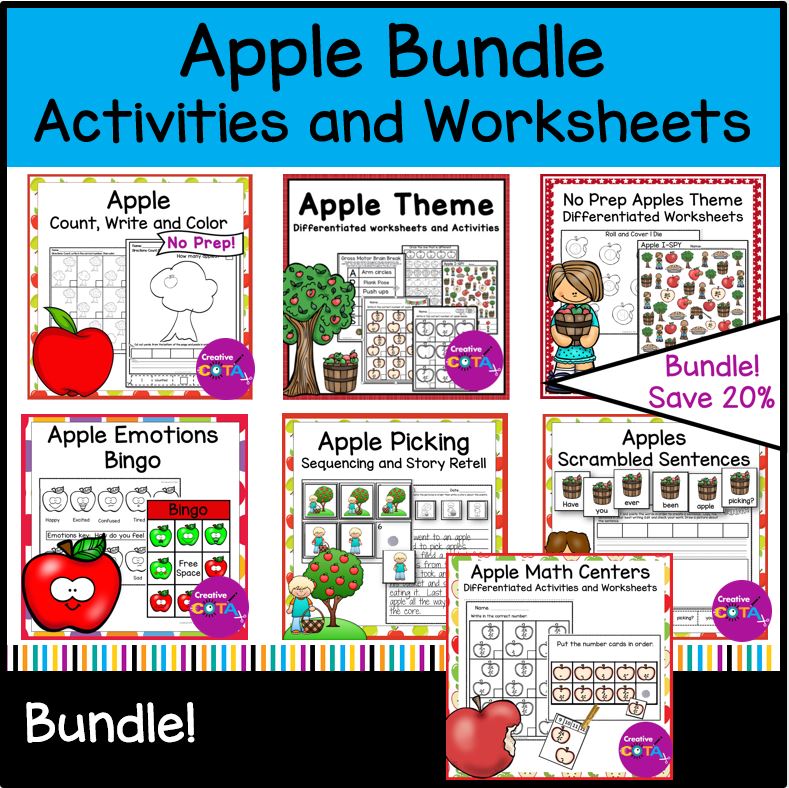
September: Apples, Fall, Back-to-School
- Crafts: Apple stamping, fall leaves collage
- Activities: Sorting-themed mini erasers, leaf tracing for fine motor skills
- Worksheets: Fall-themed handwriting practice, back-to-school scavenger hunt
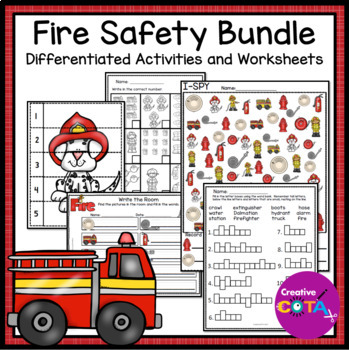
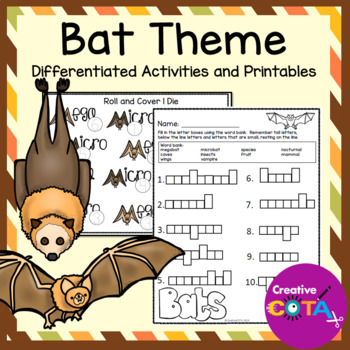
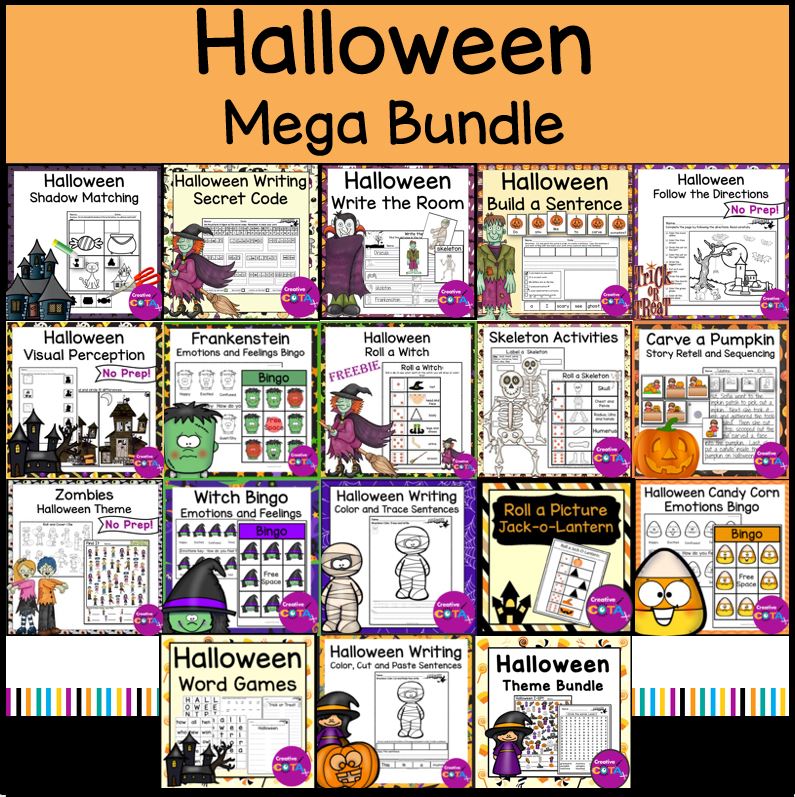
October: Fire Safety, Halloween, Bats
- Crafts: Fire Truck coloring page or cut and paste, bat mobiles
- Activities: Firefighters make a face stickers, spooky sensory bins, and students blow plastic spider rings across the floor with a large straw. Check out the ones I use here on Amazon. I get my plastic spider rings at the dollar store.
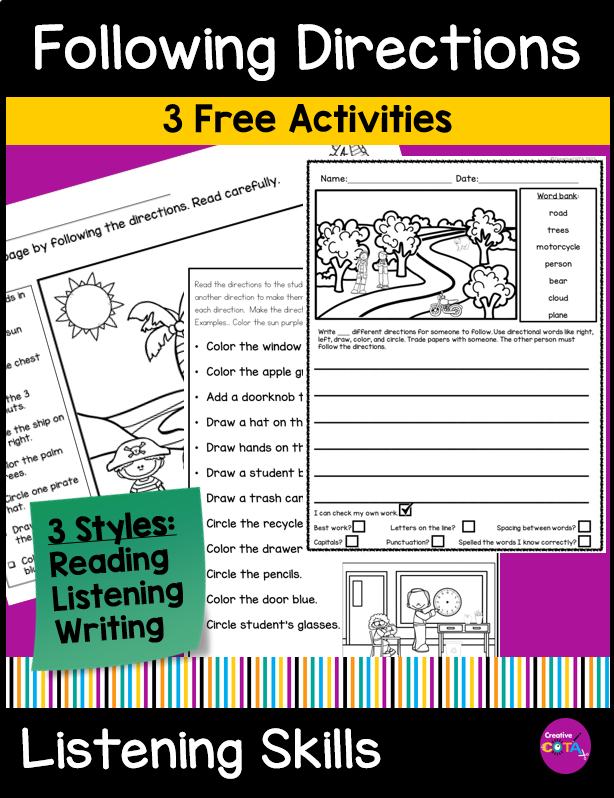
- Worksheets: Halloween Following the directions coloring, bat fine motor and visual perception activities
Conclusion
By prepping materials and crafts ahead of time, setting up efficient systems for progress monitoring and paperwork, and organizing your resources effectively, you can reduce stress and enjoy a smoother transition into the new school year. These strategies not only save time but also ensure you are well-prepared to support your students.
By implementing these strategies, you’ll be well on your way to a more organized and less stressful back-to-school season. Happy planning!
This post contains affiliate links. If you use the link and purchase a product I will receive a small fee at no cost to you.
About the Author
I am a Certified Occupational Therapy Assistant (COTA) and have been working in a public school system for more than 25 years. My resources can be found on TPT, BOOM Learning, Made by Teachers, Classful, and Your Therapy Source. I appreciate your interest wherever you wish to shop.
My mission is to help you find creative ideas to incorporate fine motor, visual perception, gross motor, and social-emotional learning into your lessons.
I hope you consider signing up for my Free Resource Library with your Email. I send out emails about once a week and share resources, tips, and planning ideas for your classroom or occupational therapy needs. Hopefully, these help your students work on building their skills in a fun and engaging way.