
Recess is Not a Reward: Why Withholding Play for Unfinished Work is Not an Effective Classroom Management Strategy
Taking away recess as a punishment for incomplete tasks hinders rather than helps. Play is important for social, emotional, and cognitive development. Depriving children of recess undermines their overall well-being, hindering growth and creating a counterproductive learning environment. Students need recess for self-regulation and executive function. It is a time to play and problem-solve with their peers, get a movement break and some fresh air.
If your students are misbehaving during class time they may need extra help. All behaviors have a reason and most likely they are having difficulty with the task. Check out this post for more ideas on behaviors in the classroom.
Find a time you can help them other than recess. Consider a WIN time, What I Need. If students have completed their work they can read or choose a quiet activity from an early finisher or all-done bin.
Hopefully, this leaves you with a small group that needs direct instruction and strategies to complete whatever work they were unable to finish on their own.
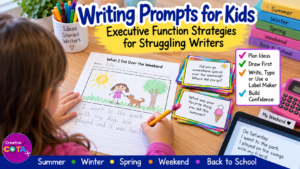
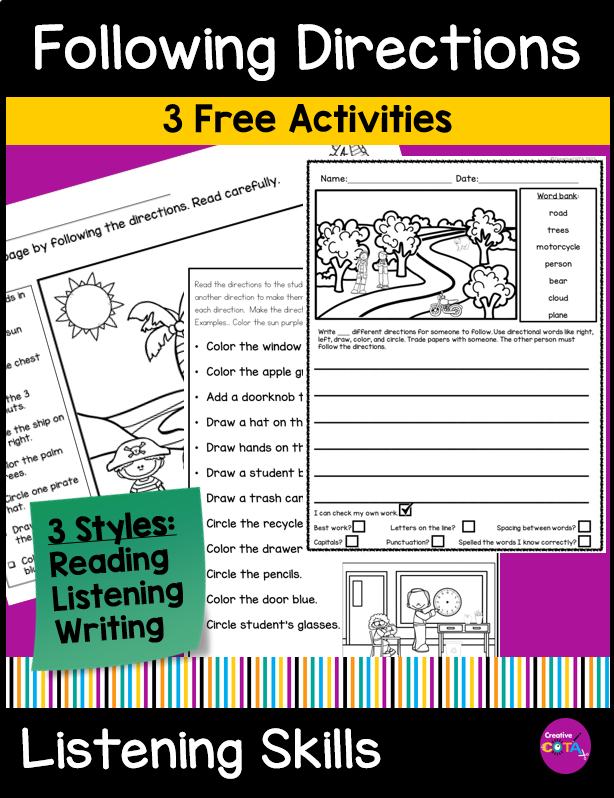
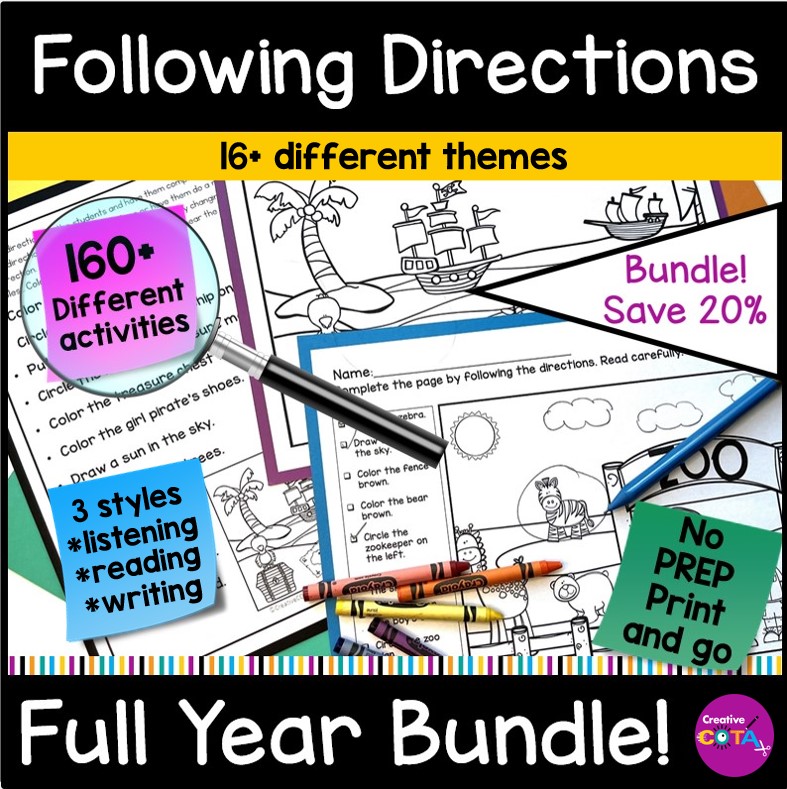
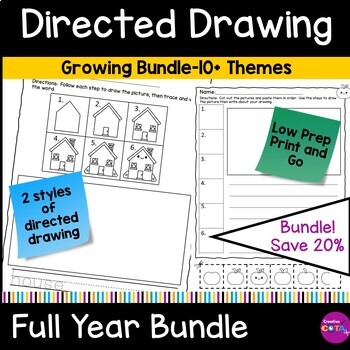
For those that got the work done…Here are a few ideas for your early finishers bin that also work on foundation skills. Grab the bundle at a discount or choose a few themes that work for your students.
You can also check out the Free Resource Library for more ideas.

The Important Role of Recess in Elementary School for Social-Emotional Learning, Executive Function, and Problem Solving
Remember the excitement of the recess bell ringing during your elementary school days? It wasn’t just a break; it was an important part of our education that went beyond play. In today’s educational landscape, the significance of recess goes far beyond a simple pause in the day—it’s a time for fostering social-emotional learning (SEL), enhancing executive function, and improving problem-solving skills.
Social-Emotional Learning on the Playground
Recess is more than just monkey bars and soccer; it’s a social time where children can work on relationships, emotions, and teamwork. The playground becomes a space for students to develop social skills that will stay with them throughout their lives.
During recess, children learn to communicate, negotiate, and collaborate. These interactions are the building blocks of emotional intelligence, an essential component of SEL. They develop a sense of empathy as they solve conflicts, understand the perspectives of their peers, and develop friendships through shared experiences.
Executive Function on the Jungle Gym
Executive function—the set of mental skills that help us manage time, pay attention, switch focus, plan and organize, remember details, and avoid saying or doing the wrong thing—finds a natural playground for development during recess.
When students engage in unstructured play, they are constantly making decisions, assessing risks, and adapting to ever-changing situations. From organizing a game to managing conflicts without direct adult intervention, recess is a great time to work on executive function skills. The ability to switch between activities, make decisions on the fly, and strategize during playtime directly leads to improved cognitive skills inside the classroom.
Problem Solving on the Slide and Swing
Recess is a playground not just for bodies but for minds. The unstructured nature of play allows children to encounter and solve problems independently, fostering a sense of autonomy and resilience.
Whether it’s figuring out how to join a game, resolving conflicts with peers, or negotiating the rules of a play activity, each moment during recess presents a puzzle to be solved. These problem-solving opportunities contribute to the development of critical thinking skills, helping students become more adept at navigating challenges beyond the playground.
Beyond the Whistle: Making Recess Count
To maximize the impact of recess on SEL, executive function, and problem-solving skills, intentional strategies can be incorporated into the school environment. Designing the playground to encourage various types of play, fostering a culture of inclusivity, and providing guidance on conflict resolution are just a few ways educators can harness the potential of recess.
Consider a multi-age recess as well. Multi-age play improves children’s development by allowing for diverse social interactions, empathy, and leadership skills. Younger kids benefit from mentorship, while older ones learn patience and responsibility. This dynamic mix leads to a supportive environment where kids learn, share, and grow together.
Recess isn’t just a break; it’s a dynamic classroom where the curriculum extends beyond textbooks and into social-emotional growth and cognitive development. By recognizing and promoting the potential of recess, teachers can ensure that every swing, slide, and soccer game contributes to the development of the students, preparing them not just academically, but socially and emotionally for any challenge.
About the Author
I am a Certified Occupational Therapy Assistant (COTA) and have been working in a public school system for more than 25 years. My resources can be found on TPT, BOOM Learning, Made by Teachers, Classful, and Your Therapy Source. I appreciate your interest wherever you wish to shop.
My mission is to help you find creative ideas to incorporate fine motor, visual perception, gross motor, and social-emotional learning into your lessons.
I hope you consider signing up for my Free Resource Library with your Email. I send out emails about once a week and share resources, tips, and planning ideas for your classroom or occupational therapy needs. Hopefully, these help your students work on building their skills in a fun and engaging way.
Thank you for your interest in my resources and ideas. I hope you will consider following my journey on TPT or wherever you wish to shop.